Looking to brighten up your workspace and boost productivity? Chances are, you’ve stumbled upon linear aluminum pendant lamps. These aren’t just trendy; they’re a practical and effective way to light modern offices. They offer focused, even illumination that can significantly improve comfort and visual clarity, making them a great choice for various office setups.
Traditional lighting often falls short in contemporary office environments. Overly bright or poorly distributed light Woolerdesign can cause glare, eye strain, and even headaches. Linear aluminum pendant lamps tackle these issues head-on, providing a more considered approach to office illumination.
Targeted and Even Illumination
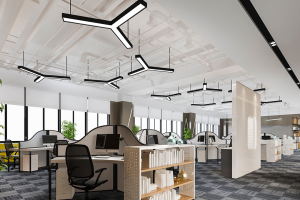
Unlike diffuse ceiling lights that scatter light everywhere, linear pendants deliver a more directed and consistent beam. This means less light is wasted, and more of it goes precisely where it’s needed – over desks, conference tables, or collaborative zones. The even light distribution minimizes harsh shadows and hot spots, creating a visually comfortable environment. Think of it like a carefully aimed spotlight versus a floodlight; the former is much more effective for detail-oriented tasks.
Reduced Glare and Eye Strain
Glare is a major culprit for discomfort in offices. Reflections from screens, shiny surfaces, or direct light sources can be incredibly distracting and lead to eye fatigue. Many linear pendant designs incorporate diffusers or lens systems that soften the light and spread it more evenly, drastically cutting down on glare. This thoughtful diffusion not only protects your eyes but also contributes to a more focused and stress-free work experience.
Energy Efficiency and Cost Savings
Modern linear aluminum pendant lamps are overwhelmingly built with LED technology. This is a huge win for energy consumption. LEDs use significantly less electricity than older fluorescent or incandescent bulbs, translating directly into lower utility bills for your office. Beyond that, LEDs have an incredibly long lifespan, often lasting tens of thousands of hours. This means fewer bulb replacements, less waste, and reduced maintenance costs over time – a true win-win for any budget-conscious business.
Design and Aesthetics: More Than Just Light
While functionality is key, the visual impact of lighting shouldn’t be underestimated. Linear aluminum pendant lamps blend seamlessly into modern office aesthetics, adding a touch of sophistication without being overly ostentatious.
Sleek and Minimalist Design
The defining characteristic of these lamps is their clean, often slender profile. Made from aluminum, they embody a minimalist aesthetic that complements contemporary office interiors. They don’t clutter the visual space but instead enhance it, providing a sense of order and modernity. The simple lines and understated elegance allow them to fit into various design schemes, from industrial chic to refined corporate.
Versatility in Form and Finish
“Linear” doesn’t mean “boring.” These pendants come in a surprisingly wide array of forms. You’ll find long, continuous lines ideal for open-plan offices, as well as shorter, modular units that can be linked together to create custom configurations. The aluminum itself can be finished in various ways, from brushed silver and matte black to polished chrome or even custom powder-coated colors. This versatility allows designers to match the lighting perfectly to the existing office décor, creating a cohesive and intentional look.
Architectural Integration
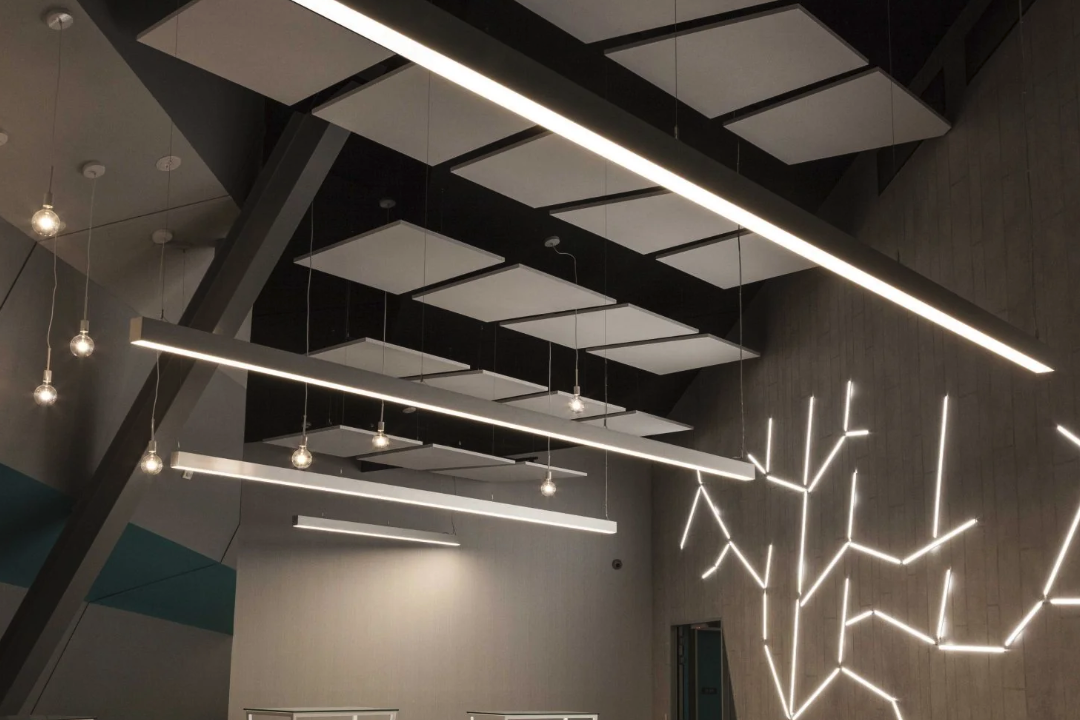
Beyond just being a fixture, linear pendants can be integrated into the architecture of a space. They can be recessed into ceiling troughs, suspended at various heights to create visual interest, or even mounted flush for a more integrated look. This ability to become part of the building’s fabric showcases their potential to be more than just light sources – they are design elements in themselves.
Smart Features for Enhanced Control
Today’s office lighting is about more than just an on/off switch. Modern linear aluminum pendant lamps often come equipped with intelligent features that offer greater control and flexibility, creating truly dynamic and responsive workspaces.
Dimmability for Mood and Task
Being able to adjust the brightness of your lighting is invaluable. Dimmable linear pendants allow employees to tailor the light level to their specific task or personal preference. Need bright light for detailed work? Turn it up. Want softer ambient light for a casual meeting? Dim it down. This flexibility not only enhances comfort but can also contribute to energy savings by only using the amount of light truly needed.
Color Temperature Control (Tunable White)
One of the most impactful advancements in office lighting is tunable white technology. This allows you to adjust the “warmth” or “coolness” of the light, measured in Kelvin (K). Cooler, bluer light (5000K-6500K) can boost alertness and concentration, ideal for peak work hours. Warmer, more yellowish light (2700K-3500K) can create a more relaxed and comfortable atmosphere, suitable for breaks or late-day tasks. Synchronizing lighting with natural circadian rhythms can positively impact employee well-being and productivity.
Occupancy and Daylight Harvesting Sensors
Taking energy efficiency to the next level, many linear pendants can integrate with sensor technology. Occupancy sensors detect when a space is empty and automatically dim or turn off the lights, preventing energy waste. Daylight harvesting sensors monitor the amount of natural light entering a room and adjust the artificial lighting accordingly. If there’s plenty of sunshine, the lights will dim, saving electricity and maintaining a consistent light level throughout the day. These smart features automate energy savings without requiring constant manual adjustment.
Installation and Placement Considerations
Getting the most out of your linear aluminum pendant lamps involves careful planning during installation. It’s not just about hanging them up; it’s about optimizing their placement for maximum benefit.
Proper Height and Spacing
The height at which linear pendants are suspended is crucial. Too low, and they can create glare or obstruct views; too high, and their effectiveness is diminished. A good rule of thumb for general task lighting over desks is to position them so the bottom of the fixture is roughly 30-36 inches above the work surface. For conference tables, this might be slightly higher to prevent obstruction. Spacing is equally important to ensure even light distribution and avoid dark spots or overlapping bright areas. Consulting with a lighting designer can be incredibly beneficial here to achieve optimal results.
Grouping and Configuration Options
Linear pendants don’t have to be solitary. They can be grouped together in parallel lines to cover larger areas, arranged in geometric patterns for visual interest, or even interlinked to create continuous runs of light. Cascading multiple fixtures at different heights can also add a dramatic and modern touch to reception areas or open common spaces. The flexibility in configuration allows for a personalized lighting scheme that perfectly suits the office layout and functional requirements.
Integration with Control Systems
For offices with smart building technology, linking linear pendants to a central control system is a game-changer. This allows for centralized management of lighting schedules, scene setting (e.g., “presentation mode” or “focus mode”), and even individual user control via apps or wall panels. Integrating with HVAC and other building systems can create a truly intelligent and responsive environment, optimizing comfort and energy use across the entire office.
Maintenance and Longevity
Investing in quality office lighting means considering its long-term viability. Linear aluminum pendant lamps, especially those with LED components, offer excellent longevity and are relatively low-maintenance.
Durability of Aluminum Construction
Aluminum is a fantastic material for lighting fixtures. It’s lightweight, which makes installation easier, and incredibly durable. It resists corrosion and rust, meaning your fixtures will maintain their sleek appearance for years, even in environments with varying humidity. Unlike plastic, aluminum won’t yellow or become brittle over time, ensuring the aesthetic integrity of your lighting scheme.
Longevity of LED Technology
As mentioned earlier, LEDs have an exceptionally long lifespan. We’re talking 50,000 hours or more, which translates to over 10 years of typical office use. This dramatically reduces the frequency of re-lamping, saving maintenance time and costs. Furthermore, LEDs don’t burn out suddenly; they gradually dim over their lifespan, giving you ample warning before a replacement might be needed. This predictability is a significant advantage in a busy office environment.
Easy Cleaning and Upkeep
The smooth, often sealed surfaces of linear aluminum pendants make them very easy to clean. A simple wipe-down with a damp cloth is usually all that’s needed to keep them looking pristine and performing optimally. Unlike older fixtures with exposed bulbs and intricate covers, there are often fewer nooks and crannies for dust and grime to accumulate, making upkeep straightforward and quick.
The Future of Office Lighting with Linear Pendants
The evolution of office lighting is ongoing, and linear aluminum pendant lamps are well-positioned to stay at the forefront. As technology advances, we can expect even more sophisticated features and integrated solutions.
Human-Centric Lighting
The concept of human-centric lighting (HCL) is gaining traction, focusing on how light impacts human health, mood, and performance. Linear pendants with advanced tunable white and dimming capabilities are ideal for implementing HCL strategies. Future iterations will likely offer even more precise control over light spectrum and intensity, adapting to individual needs and circadian rhythms throughout the day to optimize well-being.
Networked and IoT Integration
Expect linear pendants to become even more connected. Integration with the Internet of Things (IoT) will allow for real-time monitoring of lighting performance, predictive maintenance, and seamless interaction with other smart office devices. Imagine lights that automatically adjust based on internal sensors detecting stress levels, or that guide you to an available meeting room. These possibilities are quickly becoming reality.
Sustainable Materials and Manufacturing
As environmental consciousness grows, the focus on sustainable materials and manufacturing processes will intensify. We’ll likely see more linear pendants made from recycled or rapidly renewable aluminum, with designs that facilitate easy disassembly and recycling at the end of their life. Energy efficiency will continue to be a priority, with even lower power consumption and improved light efficacy.
In conclusion, linear aluminum pendant lamps are far more than just a modern aesthetic choice for offices. They offer a potent combination of effective, energy-efficient lighting, enhanced comfort, and sophisticated design. By understanding their benefits and considering their practical applications, you can create an office environment that not only looks great but also supports the well-being and productivity of everyone working within it.