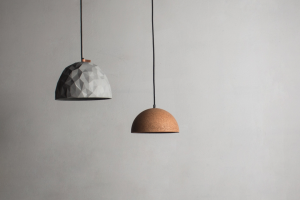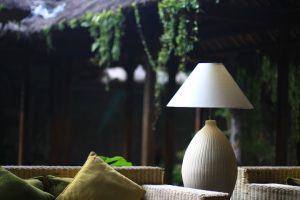
You’re wondering if a minimalist wooden LED pendant light can really be the key to achieving that serene Japandi vibe in your home. The short answer? Absolutely. It’s not just a light fixture; it’s a thoughtfully chosen piece that embodies the core principles of both Japanese minimalism and Scandinavian functionality. Think of it as the gentle glow that ties everything together, quietly enhancing your space without shouting for attention.
Before we dive into the pendant light itself, let’s briefly touch on Japandi. It’s this beautiful marriage of Japanese and Scandinavian design philosophies. On one hand, you have the Japanese emphasis on natural materials, clean lines, and a deep respect for simplicity and imperfection (wabi-sabi). On the other, you have the Scandinavian love for functionality, comfort, and creating cozy, light-filled spaces (hygge). When these two meet, you get a style that’s incredibly balanced, serene, and deeply livable. It’s not stark or cold; it’s warm, inviting, and intentionally curated.
The Core Principles of Japandi
- Simplicity and Functionality: Every item serves a purpose. There’s no clutter for the sake of it. Things are designed to be used and to look good while doing it.
- Natural Materials: Wood is a big player, of course, but you’ll also see rattan, bamboo, linen, cotton, and even stone. The focus is on materials that feel good to touch and look good with age.
- Neutral Color Palettes: Think muted earth tones, soft grays, off-whites, and subtle blacks. These colors create a calming backdrop.
- Connection to Nature: Bringing the outdoors in is a key theme, achieved through natural light, plants, and the use of natural materials.
- Wabi-Sabi Influence: This Japanese concept embraces beauty in imperfection, transience, and simplicity. It means welcoming the natural wear and tear of objects as part of their story.
Why Wood and LED Lighting are a Natural Fit for Japandi
The choice of materials is paramount in Japandi design, and wood is arguably one of its most defining elements. Combine that with the efficiency and versatility of LED technology, and you have a recipe for lighting that’s both aesthetically pleasing and practical.
The Unifying Power of Natural Wood
Wood brings an inherent warmth and organic texture that’s essential to the Japandi aesthetic. It grounds the space and connects it back to nature, one of the foundational pillars of this style.
- Timeless Appeal: Wood has been used in homes for centuries, giving it an enduring quality that transcends fleeting trends. It feels grounded and familiar.
- Material Versatility: From light, airy Scandinavian birch to richer, darker Japanese woods, there’s a wood type to suit every nuance of Japandi. The grain and natural variations add visual interest.
- Tactile Experience: Running your hand over a smooth, natural wood surface is a tactile pleasure. It adds a sensory dimension to your home that’s often overlooked in more modern, uniform designs.
The Efficiency and Elegance of LED
LED lighting isn’t just about saving energy (though that’s a great bonus!). Its modern capabilities allow for incredibly slim and adaptable designs, which is crucial for a minimalist aesthetic.
- Sleek Design Opportunities: LEDs require much less space than traditional bulbs, allowing for pendants with very thin profiles, unobtrusive shades, and integrated designs that blend seamlessly into the wood.
- Customizable Ambiance: You can often choose LED lights with different color temperatures (warm to cool white) that allow you to fine-tune the mood of your space, from a cozy evening glow to bright, functional task lighting.
- Longevity and Low Maintenance: Once installed, LED lights last for a very long time and consume significantly less energy, aligning with the Japandi principle of mindful consumption and reduced waste.
Designing with Minimalist Wooden LED Pendant Lights
So, how do you actually incorporate these lights to enhance your Japandi space? It’s about mindful placement and appreciating their form.
Key Design Features to Look For
When you’re browsing for your perfect pendant, keep an eye out for certain characteristics that scream “Japandi.”
- Simple Silhouettes: Think clean lines, geometric shapes (spheres, cylinders, rectangles), or organic, flowing forms. Avoid anything overly ornate or fussy.
- Natural Wood Finishes: Unfinished or lightly finished woods are ideal. Look for natural stains that enhance the wood grain rather than completely covering it. Matte finishes are generally preferred over high gloss.
- Integrated LED Design: The best Japandi pendants often have the LED light source cleverly integrated into the design, rather than relying on a visible bulb socket. This contributes to the seamless, minimalist look.
- Subtle Detailing: If there’s any detailing, it should be understated – perhaps a thin metal accent in brushed brass or matte black, or a clever joinery detail.
Strategic Placement for Impact
Where you hang your pendant light can make a big difference in how it functions and contributes to your room’s overall feel.
- Above Dining Areas: A single, striking pendant or a small cluster can define your dining space, casting a gentle, inviting light that encourages conversation.
- In Kitchens: Over an island or a specific work area, a wooden LED pendant can add warmth and a touch of organic texture to an otherwise utilitarian space.
- Over Bedside Tables: Instead of bulky lamps, a carefully placed pendant can provide ambient or reading light, freeing up surface space and enhancing the bedroom’s tranquil atmosphere.
- In Entryways: A welcoming light that sets the tone for your home as soon as guests walk in is always a good idea. A minimalist wooden pendant can do just that.
- As Accent Lighting: Sometimes, a pendant isn’t about illuminating a large area but about drawing attention to a specific feature, like a piece of art or a beautiful plant.
How a Wooden LED Pendant Embodies Japandi Principles
Let’s break down how a single fixture can tick so many boxes for this style. It’s about the subtle, yet powerful, ways it integrates into the Japandi ethos.
Simplicity in Form and Function
The core idea behind Japandi is doing more with less, and a minimalist wooden LED pendant is a perfect example of this.
- Uncluttered Aesthetics: The sleek design means it doesn’t dominate the space visually. It’s there to provide light and enhance the atmosphere without adding noise.
- Purposeful Illumination: Each pendant is designed to offer functional lighting, whether it’s task-oriented or ambient. There’s no decorative element that doesn’t serve a purpose.
- Integrated Design: The marriage of the wood and the LED often results in a unified piece where the light source feels like an intrinsic part of the fixture, rather than an add-on.
The Warm Embrace of Natural Materials
This is where wood truly shines, bringing its inherent character to the forefront.
- Connection to Nature: The wood itself, with its grain and texture, is a direct link to the natural world, a fundamental tenet of Japandi.
- Sensory Experience: The natural feel and subtle scent of wood can contribute to a more grounded and peaceful environment.
- Timeless Beauty: Unlike trendy materials, wood ages gracefully, developing a patina that adds character and tells a story, aligning with the wabi-sabi appreciation for imperfection.
Creating Ambiance and Mood
Lighting is intrinsically linked to mood, and a wooden LED pendant offers refined control.
- Warm, Inviting Glow: Opting for a warmer color temperature (around 2700K-3000K) creates a cozy and inviting atmosphere that’s central to both hygge and the serene aspect of Japanese design.
- Soft, Diffused Light: Many minimalist pendants are designed to cast a gentle, diffused light, avoiding harsh shadows and creating a softer, more relaxing illumination.
- Mindful Illumination: The LED technology allows for precise control over brightness and direction, ensuring that the light serves its purpose effectively without being overwhelming.
Beyond the Basics: Elevating Your Japandi Space
Once you have your minimalist wooden LED pendant, consider how it interacts with the rest of your decor to create a cohesive and serene environment.
Complementary Decor Elements
Think about the pieces that will work harmoniously with your pendant light.
- Natural Textures: Pair your pendant with other natural materials like linen upholstery, woven baskets, wool rugs, and ceramic accents.
- Neutral Color Palette: Stick to a soothing base of off-whites, creams, soft grays, and muted earth tones. Introduce subtle pops of color through plants or carefully chosen art.
- Artful Simplicity: Opt for artwork that features natural landscapes, abstract designs with clean lines, or pieces that evoke a sense of calm and mindfulness.
- Live Plants: Bring in greenery in simple pots to add life and a touch of the outdoors, a crucial element for Japandi.
The Art of Layered Lighting
A single pendant is a great starting point, but a truly well-lit Japandi space often benefits from layered lighting.
- Ambient Lighting: This is your general illumination. Your pendant light can contribute to this, but consider also floor lamps with soft, diffused shades or wall sconces.
- Task Lighting: For specific activities like reading or cooking, you’ll need focused light. This might be a directional floor lamp or discreet under-cabinet lighting in the kitchen.
- Accent Lighting: This is for highlighting features. Think small spotlights on artwork or a subtle light to illuminate a beautiful textured wall.
- Natural Light Maximization: Ensure your windows are unobstructed and use sheer curtains to allow as much natural light to filter in as possible during the day.
Practical Considerations for Your Wooden LED Pendant
Let’s get down to the nitty-gritty. Choosing and caring for your light fixture involves a few practical points.
Installation and Electrical Needs
- Professional Installation: While DIY is appealing, for pendant lights, especially those involving electrical wiring, it’s often best to hire a qualified electrician. They can ensure it’s safely and correctly installed, meeting all local codes.
- Ceiling Height and Placement: Consider the height of your ceiling and the intended use of the space. You don’t want a pendant hanging too low where it obstructs views or becomes a head hazard, nor too high where it feels disconnected.
- Dimmer Switches: If your LED driver is compatible, installing a dimmer switch gives you incredible control over the mood and functionality of your lighting, a perfect fit for Japandi’s emphasis on ambiance.
Maintenance and Care
- Dusting Regularly: Wood can attract dust. Use a soft, dry cloth or a feather duster to gently clean the fixture.
- Gentle Cleaning for Wood: For any marks or smudges on the wood, use a slightly damp cloth (not wet) with a very mild, natural cleaner. Always test in an inconspicuous area first.
- LED Longevity: The beauty of LEDs is their long lifespan. When the time comes for replacement, look for energy-efficient LED modules, which are increasingly modular and replaceable.
- Avoid Harsh Chemicals: Never use abrasive cleaners or harsh chemicals on the wood or any metal components, as this can damage the finish and the material.
Choosing the Right Light Hue
The color temperature of your LED light has a significant impact on the atmosphere.
- Warm White (2700K – 3000K): This is generally the best choice for Japandi. It mimics natural candlelight and creates a cozy, inviting, and relaxing atmosphere, ideal for living areas and bedrooms.
- Neutral White (3500K – 4100K): This can be suitable for task-oriented areas like kitchens or home offices where a clearer, brighter light is needed, but use it judiciously to avoid disrupting the overall serene mood.
- Cool White (5000K+): Generally avoid this for Japandi interiors. It can feel sterile, clinical, and less conducive to relaxation.
By focusing on minimalist wooden LED pendant lights, you’re not just choosing a decorative item; you’re making a statement that signifies a thoughtful approach to home design. It’s about creating a space that feels grounded, calm, and beautifully functional, embodying the best of both Japanese and Scandinavian traditions.