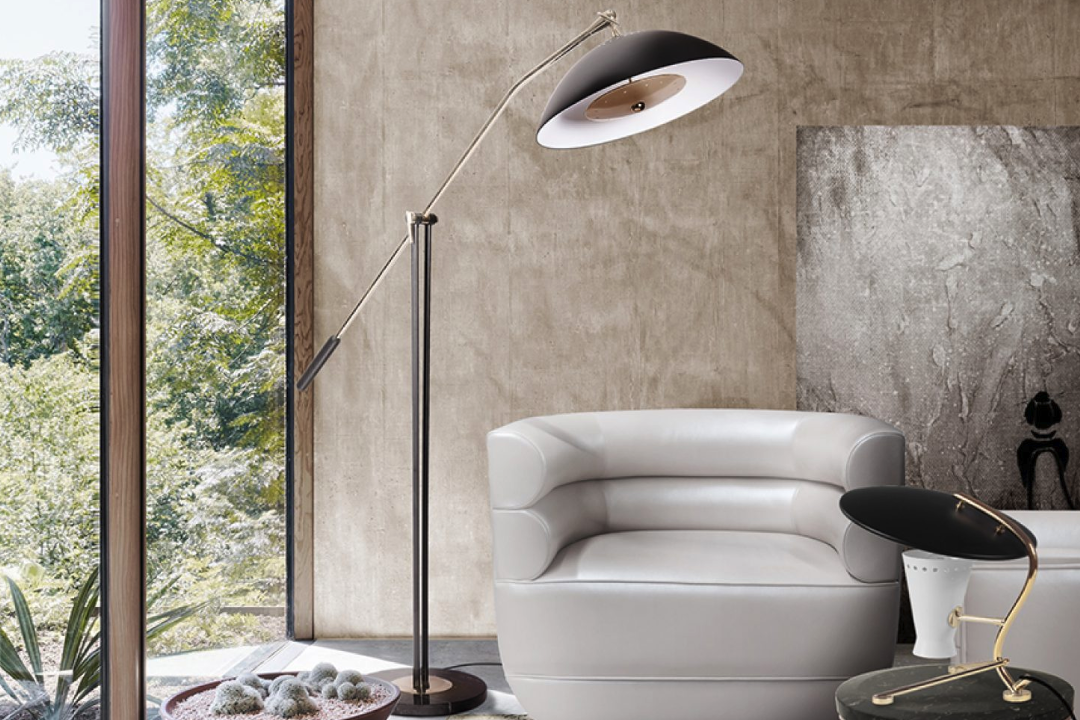
So, you’re wondering about those stylish mid-century floor lamps with marble bases? Good news – they’re a fantastic choice for adding a touch of classic sophistication to your home. These lamps aren’t just about lighting; they’re statement pieces that blend beautiful design with practical functionality, making them a worthwhile addition to almost any interior.
It’s all about a specific period and a distinctive design philosophy. Mid-century modern refers to a design movement roughly from the mid-1930s to the mid-1960s. Think post-World War II optimism, a focus on clean lines, organic and geometric forms, and a celebration of new materials and manufacturing techniques.
The Era of Innovation
After the war, there was a huge drive for functional yet beautiful design. Architects and designers were experimenting with everything from furniture to lighting, aiming to create accessible yet sophisticated pieces for the average home. This era rejected the ornate styles of the past, opting for simplicity and practicality.
Signature Design Elements
When you look at a classic mid-century piece, you’ll often see:
- Clean lines: Less clutter, more streamlined forms.
- Organic shapes: Inspired by nature, think curved backs on chairs or flowing lamp Woolerdesign stems.
- Geometric patterns: Sometimes subtle, sometimes bold, adding visual interest.
- Material contrasts: Combining wood with metal, or in our case, metal with marble.
- Functionality: Designs that serve a purpose and are easy to use.
The Allure of the Marble Base
This is where a significant part of the “elegance” comes in. The marble base isn’t just for show; it serves multiple practical and aesthetic purposes.
Stability and Durability
Let’s be honest, you don’t want a wobbly floor lamp. Marble, being a dense and heavy material, provides exceptional stability. This means your lamp is less likely to tip over from an accidental bump, making it safer, especially in homes with kids or pets. Beyond stability, marble is incredibly durable. It stands up to daily wear and tear remarkably well, retaining its beauty for decades if cared for properly. This inherent strength contributes to the timeless aspect of these lamps.
A Touch of Luxury
Marble has always been associated with luxury and sophistication. Its natural veining and polished surface catch the light beautifully, adding a subtle touch of opulence without being overly flashy. Each marble base is unique; no two pieces will have the exact same pattern, giving your lamp an exclusive, one-of-a-kind feel. This natural variation is part of its charm.
Grounding the Design
Visually, the solid marble base acts as an anchor for the lamp. It provides a weighty foundation that balances the often slender, minimalist stems and shades typical of mid-century designs. This grounding effect creates a sense of balance and harmony within the overall aesthetic of the piece. It prevents the lamp from looking top-heavy or insubstantial, allowing the lighter elements of the design to float gracefully above.
Why “Vintage” Matters
“Vintage” here isn’t just a marketing term; it speaks to authenticity, quality, and often, a better investment.
Authenticity and Character
An actual vintage mid-century lamp has a story. It has lived, albeit silently, through decades, and that history imbues it with a character new reproductions simply can’t replicate. There might be subtle signs of age – a light patina on the metal, a minor imperfection in the shade – that tell a tale and add to its charm rather than detract from it. This authenticity is what design enthusiasts often seek.
Superior Craftsmanship
Many mid-century pieces were built to last. The manufacturing standards were often higher, with more emphasis on durable materials and skilled assembly. Companies back then often focused on creating heirlooms, not disposable items. While mass production was definitely a thing, there was still a strong tradition of high-quality craftsmanship, especially in the higher-end lighting fixtures. This often means better wiring (though do get it checked!), sturdier joints, and overall more robust construction compared to some modern budget alternatives.
Sustainable Choice
Choosing vintage is inherently a more sustainable option. You’re giving an existing item a new life, reducing demand for new manufacturing, and preventing something perfectly good from ending up in a landfill. It’s an eco-conscious decision that also happens to be stylish.
Investment Value
While not every vintage lamp will skyrocket in value, well-preserved pieces from reputable designers or manufacturers often hold or even increase their value over time. They aren’t just decorative items; they can be considered functional art or collectibles. Unlike fast furniture, a quality vintage piece is likely to be a long-term asset.
Key Design Features and Variations
These lamps aren’t one-size-fits-all. There are several common characteristics and variations to look out for.
Stems and Arms
- Straight and Slender: Many feature a simple, vertical stem, often in brass, chrome, or painted metal, rising directly from the marble base. This creates a clean, minimalist profile.
- Arched and Curved: Think of the iconic Arco lamp, though many mid-century designs featured less dramatic but still elegantly curved or arched arms. These are fantastic for extending light over a seating area without needing a table.
- Adjustable and Telescoping: Practicality was key. Some lamps have adjustable height mechanisms or articulating arms, allowing you to direct light precisely where it’s needed. This versatility is a hallmark of good mid-century design.
- Material Variety: Brass was a very popular choice, often polished or with a lovely aged patina. Chrome offered a sleek, futuristic look, while painted metals (black, white, or even bolder colors) provided different aesthetic options.
Shades
The shade dramatically influences the lamp’s look and the quality of light.
- Drum Shades: Classic and versatile, often in linen, silk, or fiberglass. They provide diffused, ambient light.
- Cone and Bell Shades: These direct light more precisely, ideal for reading lamps or accent lighting. They can be metal, fabric, or even plastic.
- Diffusers: Some shades incorporate internal diffusers (often plastic or frosted glass) to soften the light and prevent glare, contributing to a comfortable ambiance.
- Material Choices: Fabric (linen, raw silk), metal (often perforated or opaque), glass (frosted, milk glass), and plastic were all used. Each material creates a different lighting effect. A metal shade casts a more directional light, while a fabric shade provides a softer, more diffused glow.
The Marble Itself
While they all share the marble base, there are subtle differences.
- Coloration: White or off-white marble (like Carrara or Calacatta) with grey veining is most common, offering a bright, clean look. Black marble (Nero Marquina for example) provides a dramatic contrast, while green or even pink marble subtly shifts the aesthetic.
- Shape: Bases are typically round, square, or rectangular. The larger and heavier the base, the more stable the lamp.
- Finish: Most marble bases will be polished for a glossy, reflective surface. Sometimes, you might find a honed (matte) finish, which offers a more subdued elegance.
Integrating Into Your Home
You’ve got this beautiful lamp, now how do you make it sing in your space?
Placement is Key
- Anchor a Seating Area: An arched mid-century lamp, or even a straight one, can beautifully define a reading nook or provide ambient light over a sofa or armchair.
- Beside a Console Table: A slender lamp can act as a sculptural element beside a mid-century sideboard or console.
- Corner Accent: If you have a bare corner that needs some personality, a mid-century floor lamp fills the space with both light and design flair.
- Bedroom Ambiance: While usually thought of for living areas, a well-placed lamp can add soft, warm lighting to a bedroom, especially if you have a larger room.
Complementary Styles
While they shine in mid-century inspired interiors, these lamps are remarkably flexible.
- Modern Minimalist: Their clean lines and functional design fit perfectly within a minimalist aesthetic, adding a touch of warmth and texture.
- Eclectic Spaces: In an eclectic home, a mid-century lamp can act as a sophisticated anchor or a point of visual interest, blending seamlessly with other periods and styles.
- Bohemian Chic: Surprisingly, the natural materials and classic forms can ground a more free-spirited bohemian space, adding a layer of enduring design.
- Contemporary Comfort: Even in a very contemporary setting, a vintage mid-century lamp can introduce warmth and character, preventing the space from feeling too stark or new.
Lighting Considerations
Beyond aesthetics, remember the primary function is light.
- Ambient Lighting: Many mid-century floor lamps with larger shades are excellent for providing general, soft ambient light, creating a cozy atmosphere.
- Task Lighting: Lamps with adjustable arms or more focused shades are brilliant for reading or other detailed tasks.
- Dimmer Switches: If possible, consider adding a dimmer switch. This allows you to control the intensity of light, transitioning from bright task lighting to soft mood lighting with ease.
- Bulb Choice: The right bulb can make all the difference. LED bulbs offer efficiency and a wide range of color temperatures (warm white, cool white). Experiment to find what best suits your space and desired ambiance. Vintage-style Edison bulbs can also add a charming glow, depending on the shade.
What to Look For When Buying Vintage
It’s an investment, so do your homework.
Condition of the Marble Base
- Chips and Cracks: Minor surface scratches are to be expected with age, but significant chips or cracks can be problematic. A stable base is crucial.
- Veining: Appreciate the natural veining. Ensure it’s not discoloration from stains.
- Surface Finish: Is the polish still intact? If it’s lost its sheen, it might need professional re-polishing.
Metal Components
- Patina vs. Damage: A natural patina on brass or copper can be beautiful. Rust or significant corrosion on any metal part is a red flag.
- Dents and Bends: Check for any major dents or bends in the stem or arms that might affect stability or appearance.
- Joints: Ensure all adjustable joints (if any) move smoothly and securely.
Electrical Wiring
- Safety First: This is paramount. Old wiring can be a fire hazard. Always assume a vintage lamp needs to be rewired by a qualified electrician, even if it appears to work. This is a relatively inexpensive process and essential for safety and longevity.
- Socket Condition: Check the bulb socket for cracks or corrosion.
- Switch Functionality: Does the switch work reliably?
Shade Condition
- Material Integrity: Does the shade material have tears, major stains, or significant fading? Depending on the material, a new shade might be necessary.
- Frame: Is the internal frame of the shade sturdy and intact?
- Diffusers: If there’s an internal diffuser, is it clean and undamaged?
Authenticity
- Maker’s Marks: Look for any manufacturer’s stamps, labels, or engravings. Renowned designers and manufacturers often marked their pieces.
- Research: If you find a potential designer piece, cross-reference it with known designs from that era. Beware of fakes or “inspired by” pieces misrepresented as originals.
- Seller Reputation: Buy from reputable vintage dealers who specialize in mid-century furniture and lighting and can offer provenance or at least a good understanding of the piece’s history and condition.
A mid-century marble base vintage floor lamp isn’t just a lighting fixture; it’s a testament to enduring design, quality craftsmanship, and timeless style. It’s a piece that can effortlessly elevate a room, providing both practical illumination and a rich sense of history and elegance. By understanding what makes these lamps special and knowing what to look for, you can bring a truly exceptional piece into your home.