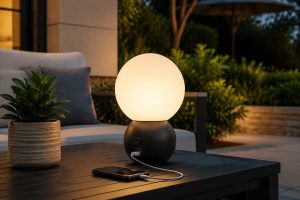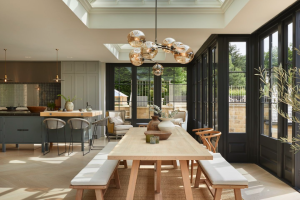
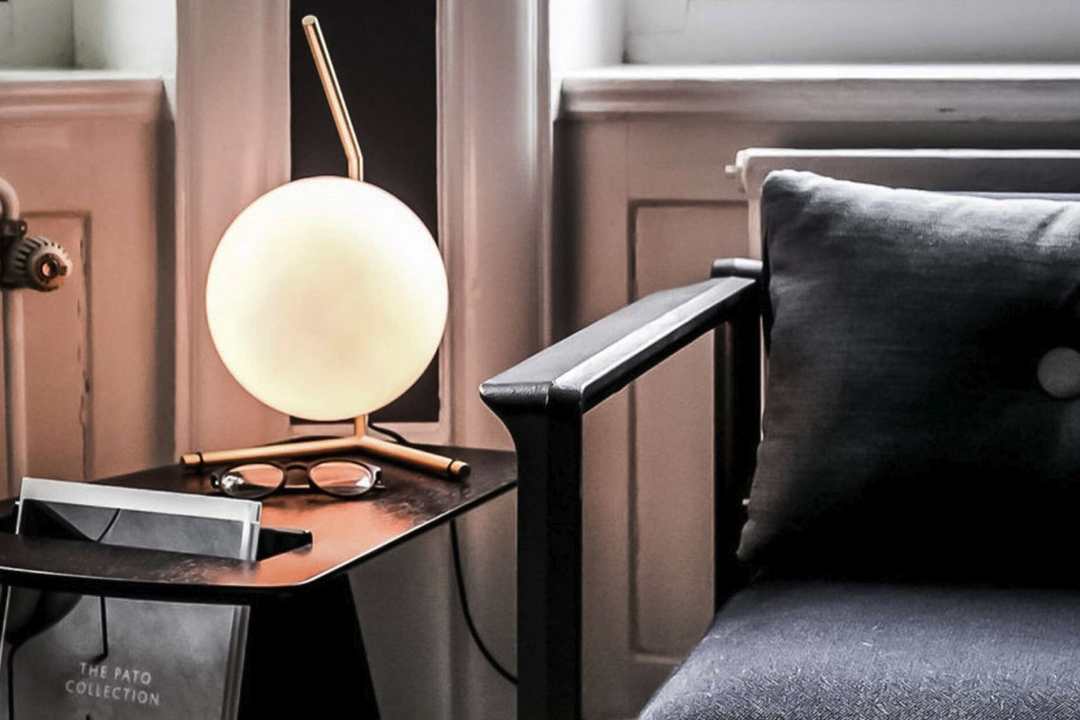
You’re wondering how to make your place feel more “cozy” with lighting, specifically with snug lighting and low table lamps. It’s a great question! The short answer is: it’s all about softening the light, directing it where you want it, and using those low table lamps to create intimate pools of warmth. Think less overhead glare, more gentle glow.
Understanding “Cozy” in Lighting Terms
When we talk about cozy lighting, we’re not just talking about dimming the lights. It’s about creating an atmosphere that feels inviting, comfortable, and safe. This often translates to warmer color temperatures, diffused light, and strategic placement that avoids harsh shadows. Low table lamps Lovelikehome are particularly good at this because they bring the light source down to eye level, making the space feel more human-scaled and less cavernous. It’s about crafting visual comfort zones.
The Impact of Light Quality
The quality of light is just as important as its brightness. Harsh, cool-toned light can make a room feel sterile and uninviting. Conversely, warm, soft light can instantly boost the coziness factor. Think about the difference between a bright, fluorescent office light and the glow of a fireplace – the latter is inherently cozier. Low table lamps excel at providing this warmer, softer quality of light.
Directing the Light for Maximum Effect
It’s not just about having lights on; it’s about where those lights are pointing. Snug lighting involves carefully directing light to highlight specific areas and create focal points, rather than flooding the entire room with light. This layered approach makes a space feel more intentional and inviting. Low table lamps are perfect for this, as they can be placed on side tables, shelves, or even the floor to cast light exactly where you need it.
Choosing the Right Low Table Lamps
The Importance of Shade Design
The lampshade is your light’s best friend (or worst enemy) when it comes to coziness. A poorly chosen shade can cast harsh shadows or diffuse light too broadly, defeating the purpose.
Material Matters: Fabric, Paper, and Beyond
- Fabric shades: These are classic for a reason. Translucent fabrics like linen, cotton, or silk allow light to filter through softly, creating a gentle glow. Opaque fabrics, on the other hand, will direct light upwards and downwards, creating more defined pools of light. Look for natural fibers for a warmer feel.
- Paper shades: Often found in Japanese-inspired designs, paper shades offer a beautifully diffused and warm light. They’re lightweight and can create a very serene atmosphere. Be mindful of fire safety with any paper shade, especially if using incandescent bulbs.
- Glass shades: While glass can be tricky, frosted or opal glass can create a lovely soft diffusion. Clear glass, unless it’s very artfully shaped, might be too direct.
Shape and Size: Proportions are Key
- Drum shades: These are versatile and offer a consistent diffusion of light. A wider drum shade will spread light more evenly.
- Tapered shades: These can direct light downwards more effectively, which is great for task lighting or creating a focused cozy spot.
- Bell-shaped shades: Often more decorative, these can also work well for directing light downwards.
- Size: Make sure the shade is proportionate to the lamp base. A tiny shade on a large base looks awkward and might not diffuse light effectively. Conversely, an oversized shade can overwhelm a small lamp.
Bulb Considerations: The Unsung Hero of Coziness
The bulb inside your lamp is arguably the most critical component for achieving a snug ambiance. Don’t just grab the brightest thing you can find!
Color Temperature: The Warmth Factor
- Kelvin (K) is your friend: Look for bulbs with a Kelvin rating between 2200K and 2700K. This range is considered “warm white” or “soft white” and mimics the glow of candlelight or an incandescent bulb. Avoid anything above 3000K, which starts to lean towards cooler, more energizing light.
- Experimentation is okay: Sometimes, a 2700K might still feel a bit bright for a very small nook. Don’t be afraid to try a 2200K if you want an even warmer, more subdued glow.
Lumens: It’s Not About Brightness
- Lumens measure brightness: While it’s tempting to think you need a high lumen count, for cozy lighting, you want the opposite. Lower lumen counts (think 400-800 lumens for a table lamp) will provide enough light for functionality without being overwhelming.
- Layering is key: Instead of one bright lamp, use several lamps with lower lumen counts to create depth and interest.
Dimmers: The Ultimate Control
- Invest in dimmable bulbs: This is a game-changer. Being able to precisely control the brightness of your low table lamps allows you to adapt the ambiance throughout the day or for different activities. Even if your lamp doesn’t have a built-in dimmer, you can often use a plug-in dimmer.
Lamp Base Materials and Styles
While the shade and bulb are paramount, the lamp base also contributes to the overall cozy feel.
Materials that Evoke Warmth
- Wood: Natural wood tones, whether light or dark, instantly add warmth and a tactile quality.
- Ceramics and Stoneware: Matte finishes in earthy tones like terracotta, cream, or muted greens can feel very grounding and cozy.
- Metals with a Warm Finish: Brushed brass, antique bronze, or matte black can lend a sophisticated yet warm touch. Avoid highly polished chrome, which can feel cold.
Design Aesthetics for Coziness
- Organic shapes: Lamps with curved lines or a more natural, irregular form can feel more inviting than sharp, geometric designs.
- Textured bases: A base with a subtle texture, like a woven pattern or a hammered metal finish, adds visual interest and a tactile element.
Strategic Placement of Low Table Lamps
Where you put your low table lamps is as crucial as the lamps themselves. It’s about creating intentional zones of comfort.
Creating Inviting Entryways
- Console table companions: A pair of low table lamps on a console table in your entryway can provide a welcoming glow as soon as someone walks in. This is much more inviting than a harsh overhead light.
- Subtle illumination: The light doesn’t need to be bright enough to read by; it’s about creating a warm first impression and making the space feel lived-in.
Cozy Corners for Reading and Relaxing
- The reading nook: Place a low table lamp next to your favorite armchair or sofa. Ensure the light is directed downwards, providing enough illumination for your book without casting harsh shadows on your face.
- Beside the bed: A bedside table lamp with a warm glow is essential for winding down in the evening. Look for one with a dimmer for ultimate control.
Enhancing Living Room Ambiance
- Sofa sidekicks: Place low table lamps on end tables on either side of a sofa. This creates symmetry and balances the light, preventing one side of the room from feeling too dark.
- Shelf accent lighting: A small, decorative low table lamp on a bookshelf can add a touch of warmth and highlight decorative items. It draws the eye and makes the shelves feel more inviting.
Adding Warmth to Dining Areas
- Buffet or sideboard styling: If you have a buffet or sideboard in your dining room, a couple of low table lamps can add a sophisticated and intimate feel to the space for evening meals.
- Complementing ambient light: These lamps should supplement, not replace, your main dining light. They are for creating a mood.
Integrating Snug Lighting with Other Light Sources
Cozy ambiance isn’t just about table lamps; it’s about how all your lighting works together.
The Role of Ambient Lighting
- Downplaying overheads: While overhead lighting is necessary, try to use it sparingly for general illumination. Opt for dimmable fixtures and keep them on the lowest setting when aiming for coziness.
- Using wall sconces: Wall sconces with a downward or upward glow can provide a softer, more diffused ambient light than ceiling fixtures. Look for ones with fabric shades for added warmth.
Task Lighting with a Cozy Twist
- Desk lamps: Even task lighting can be cozy. Choose a desk lamp with a warm bulb and a directional shade that focuses light on your work area without spilling too much light into the rest of the room.
- Kitchen counter accents: Small, under-cabinet puck lights or a decorative lamp on a kitchen island can provide functional light that also enhances the mood.
Decorative Lighting for Texture and Glow
- String lights: While often associated with holidays, strategically placed warm white string lights can add a magical, cozy glow, especially in nooks or around windows.
- Candles (real or LED): The ultimate cozy lighting. Real candles provide a flickering, dynamic light that’s hard to replicate. High-quality LED candles can offer a safe and consistent warm glow.
Bringing It All Together: Creating Your Cozy Sanctuary
Layering is Your Best Friend
Think of lighting like building a meal – you have your main course (ambient light), your side dishes (task lighting), and your finishing touches (decorative accents). Cozy lighting is all about layering these elements effectively.
Consider the Time of Day
Your lighting needs will change throughout the day. Bright light might be good for working in the morning, but as evening approaches, you’ll want to gradually soften and warm your lighting. Low table lamps with dimmers are perfect for this transition.
Personalize Your Space
Ultimately, the most important thing is to create a space that feels good to you. Experiment with different lamp styles, bulb types, and placements until you find what resonates with your sense of cozy. What one person finds cozy, another might find too dim. Trust your instincts. Your home should be a reflection of your comfort and style.