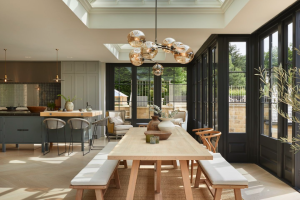
When you’ve got a mezzanine, the lighting downstairs can be tricky. The main question people have is how to light the space below without creating a harsh, glaring experience. The answer is to use soft, indirect, or diffused light sources that minimize direct light spill and utilize the mezzanine’s structure to your advantage. It’s all about creating a cozy, inviting atmosphere rather than a brightly lit workspace.
Before we dive into solutions, let’s understand why mezzanine lighting so often leads to glare downstairs. It’s not just about bright lights; it’s about how those lights interact with the architecture and your eyes.
The Elevated Vantage Point
A mezzanine, by its very nature, is elevated. Lights installed up there are at a higher point, which means their beams can easily project downwards and directly into the sightlines of anyone below. This direct line of sight is a primary cause of glare.
Downward-Facing Fixtures
Many common lighting fixtures are designed to project light downwards. While this is great for general illumination, it becomes problematic when those downward beams are aimed directly into the eyes of someone sitting on a sofa or at a dining table below the mezzanine.
Reflective Surfaces
Often, the flooring of a mezzanine or the walls directly below can be reflective. Bright lights bouncing off these surfaces can exacerbate glare, making an already uncomfortable situation even worse. Think about a polished wooden floor or a high-gloss painted wall – these can act like mirrors for light.
Lack of Diffusion
Without proper diffusion, light sources can be very intense at their origin. Imagine a bare bulb versus one with a lampshade. The bare bulb is harsh; the shaded one is softer. Many mezzanine lighting setups lack this crucial diffusion, leading to pinpoint glare.
Principles of Soft Mezzanine Lighting
The goal here is to create a lighting scheme that feels natural, comfortable, and inviting, rather than harsh or overbearing. It’s about layers and thoughtful placement.
Indirect Illumination
This is perhaps the most effective strategy. Instead of aiming lights directly downwards, aim them at a wall, the ceiling, or even the underside of the mezzanine itself. The light then reflects off these surfaces, scattering and softening before it reaches the downstairs area.
Diffused Light Sources
Wherever possible, choose fixtures that inherently diffuse light. This means looking for frosted glass, fabric shades, or integrated diffusers. These materials break up the direct beam of light, spreading it out and reducing its intensity.
Strategic Placement
Where you put your lights matters almost as much as what kind of lights you choose. Consider the primary vantage points downstairs. Are people sitting? Standing? Eating? Aim to keep direct light sources out of their immediate line of sight.
Layering Light
A single light source, no matter how soft, rarely creates a truly inviting atmosphere. Think about different layers: ambient light for general brightness, task lighting for specific activities, and accent lighting to highlight features or create mood.
Practical Lighting Solutions for Mezzanines
Now that we understand the ‘why,’ let’s get into the ‘how.’ Here are some concrete solutions for achieving that glare-free ambiance.
Uplighting from the Mezzanine Itself
This is a fantastic way to use the mezzanine’s structure to your advantage. Instead of pointing lights down, point them up or outwards.
Cove Lighting
Install LED strips or rope lights in a cove along the underside perimeter of the mezzanine. These lights will shine upwards onto the mezzanine ceiling or the main ceiling above the downstairs space. The light then bounces down, creating a soft, ambient glow with no direct glare. It’s a clean, modern look that’s incredibly effective.
Wall Washers Mounted on the Mezzanine
Small, discreet wall washer fixtures can be mounted on the underside of the mezzanine structure, pointing light upwards onto the adjacent wall downstairs. This creates a gentle wash of light that highlights the wall texture and provides ambient illumination without ever directly hitting anyone’s eyes.
Indirect Floor Lamps on the Mezzanine
If space permits, floor lamps with upward-facing shades or bowl diffusers can be placed strategically on the mezzanine. Their light will bounce off the main ceiling, indirectly illuminating the downstairs. This is a flexible option, as you can move the lamps around to adjust the lighting.
Recessed Lighting with Thoughtful Design
Recessed lights, while often perceived as downward-facing, can be incredibly versatile if chosen and installed correctly.
Deeply Recessed Downlights
Opt for downlights where the actual light source is set deep within the fixture. This creates a “cut-off angle” where the light is directed more narrowly downwards, preventing it from spilling out sideways and into people’s eyes downstairs. The deeper the recess, the less glare.
Eyeball or Adjustable Recessed Lights (Aimed Wisely)
While standard recessed lights can be problematic, adjustable ones offer control. The key here is not to aim them straight down. Instead, angle them slightly towards a wall or a decorative feature downstairs. This uses the light to highlight something interesting rather than just showering the area with direct brightness.
Wall-Grazer Recessed Lights
These are a type of recessed light designed to graze a wall with light. When installed along the edge of the mezzanine, pointed at the downstairs wall, they can create a beautiful, soft wash of light that highlights texture and provides ambient glow without direct glare.
Fixtures for Diffused Downward Light
Sometimes, you do need light projecting downwards, but it needs to be softened.
Pendant Lights with Diffusers or Shades
Instead of open-bottom pendants, choose ones with frosted glass, fabric shades, or even multi-layered diffusers. These fixtures break up the light, spreading it evenly and reducing intensity. The key is that the light source itself isn’t directly visible from below.
Drum Shades or Fabric Lanterns
These types of fixtures provide excellent diffusion. A large drum shade pendant hung from the mezzanine ceiling can provide ample ambient light without any harsh glare. The fabric or frosted material ensures the light is spread softly.
Surface-Mounted Fixtures with Opal Diffusers
If you don’t want to recess lights, surface-mounted fixtures with a large, opal (milky white) diffuser can work well. The entire surface glows softly, rather than emitting a concentrated beam. These are often used for general ambient lighting.
Architectural Features for Light Control
Sometimes, the solution isn’t just about the light fixture itself, but how the architecture interacts with it.
Light Shelves or Coves
Building a small architectural shelf or cove just below the mezzanine edge can house LED strips or other linear lights. These can shine upwards or outwards, effectively hiding the light source and creating indirect illumination.
Mezzanine Railing as a Light Channel
If your mezzanine has a solid or semi-solid railing, consider integrating linear LED strips along its top or bottom edge. When placed on the underside, pointing downwards, ensure they are deeply recessed or very low output to avoid glare. More effectively, place them on the top edge, pointing upwards towards the main ceiling for indirect light.
Strategic Use of Materials
Think about the underside of the mezzanine itself. If it’s a light-colored surface, it can act as a giant reflector. Lighting aimed at this surface can then bounce downwards, providing a very soft and diffused light. Avoid dark, light-absorbing surfaces directly below light sources.
Dimming and Control
Even the best-designed lighting scheme can be too bright if not properly controlled.
Importance of Dimmers
This is non-negotiable. Every light source affecting the downstairs area should be on a dimmer switch. This allows you to adjust the intensity based on the time of day, the activity happening, or simply your mood. A bright light can become a soft glow with a simple turn of a knob.
Occupancy Sensors (with discretion)
While useful for energy saving, occupancy sensors need careful consideration here. You don’t want lights suddenly blasting on at full power downstairs if someone just steps onto the mezzanine. If used, ensure they are tied into a dimmed setting or only activate certain indirect layers of light.
Zoned Lighting
Think about your downstairs area in zones. Maybe there’s a seating area, a dining space, and a walkway. Each zone should have its own control, allowing you to tailor the lighting precisely. You might want the seating area to be softly lit, while a nearby task light has more intensity.
Avoiding Common Pitfalls
Even with the best intentions, it’s easy to make mistakes.
Don’t Over-Light
A common error is to put too many fixtures or fixtures that are too powerful. Start with less and add if needed. It’s easier to add light than to remove it or dim down excessively.
Beware of Bare Bulbs
Any fixture that leaves a bare bulb exposed and visible from downstairs is a recipe for glare. Always ensure the light source itself is obscured or diffused.
Consider the Downstairs Activity
What happens directly below your mezzanine? If it’s a TV area, bright overhead lights will create reflections and eye strain. If it’s a reading nook, you need softer, more focused light that doesn’t cause glare. Tailor your lighting to the function of the space.
Test Before Finalizing
If possible, do a mock-up or at least test the lighting at different times of day. Stand and sit in various spots downstairs to get a true feel for how the light affects the space and if any glare spots emerge.
By focusing on indirect illumination, diffusion, strategic placement, and thoughtful control, you can transform the area below your mezzanine from a potential glare zone into a beautifully lit, comfortable, and inviting space. It’s about creating an atmosphere, not just throwing light around.