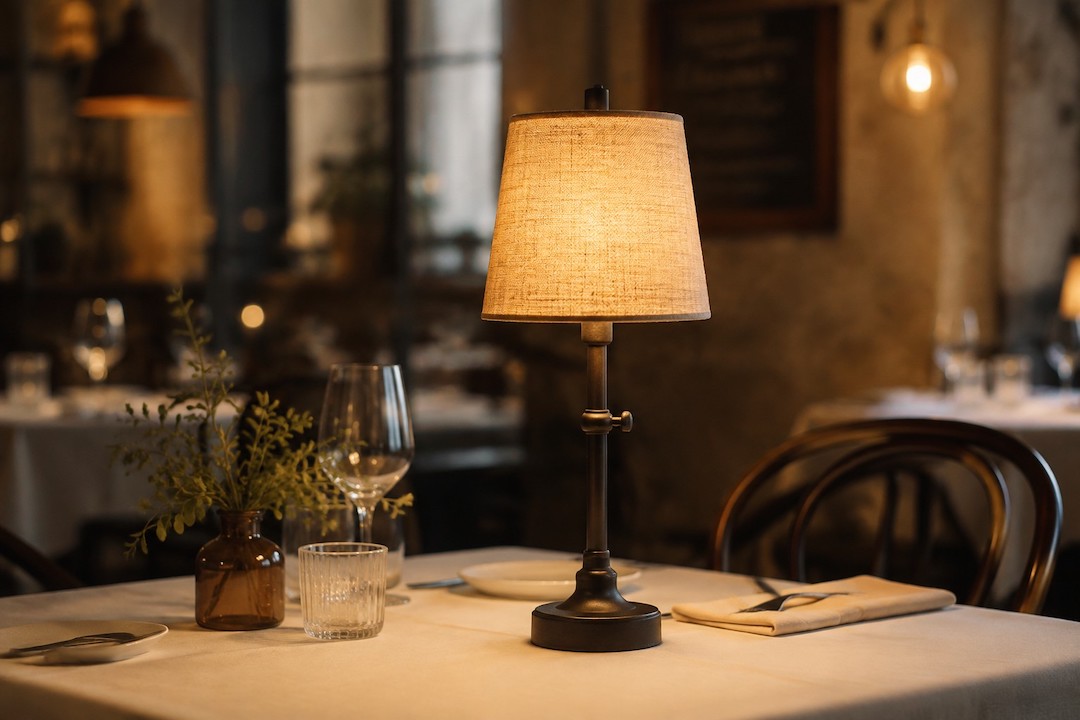
Looking to add some warmth and character to your restaurant’s ambiance? Rustic linen shade industrial table lighting might be just what you need. This style combines the cozy, inviting feel of natural linen with the sturdy, no-nonsense look of industrial design, creating a unique and appealing atmosphere for your diners. It’s a fantastic way to elevate your space without going overboard or sacrificing practicality.
The Appeal of Rustic Linen and Industrial Design
When you think about creating a comfortable and memorable dining experience, lighting plays a huge role. It’s not just about seeing your food; it’s about setting a mood, making people feel relaxed, and even enhancing the perceived quality of your dishes.
Why Linen Shades Work
Linen, with its natural fibers and slightly textured appearance, diffuses light Lovelikehome beautifully. It softens harsh bulbs, creating a warm, inviting glow that’s incredibly flattering for both people and food. Unlike more sterile materials like metal or plastic, linen adds a touch of organic elegance, making your restaurant feel more intimate and less institutional.
The Edge of Industrial Touches
Industrial design, on the other hand, brings a sense of durability and authenticity. Think exposed metal, raw finishes, and clean lines. This style originated from factories and warehouses, and it brings a utilitarian honesty that many find appealing. When paired with linen, it grounds the softness, preventing the look from becoming too delicate or overly rustic. It adds a bit of an edge, a touch of “cool,” without being cold.
How to Choose the Right Rustic Linen Shade Industrial Table Lamps
Selecting the perfect lamps involves a bit of thought. It’s not just about picking something that looks good in isolation; it needs to integrate seamlessly with your overall restaurant theme and practical needs.
Consider Your Restaurant’s Overall Aesthetic
Before diving into specific lamp designs, take a moment to assess your restaurant’s existing decor. Is it genuinely rustic, or more modern with rustic touches? Is it an urban bistro or a countryside inn?
Complementing Existing Decor
If your restaurant already has exposed brick, reclaimed wood, or metal accents, industrial lamps will fit right in. If your decor leans more towards contemporary, a carefully chosen industrial lamp can provide a striking contrast and add character without clashing. The key is balance – you don’t want your lighting to look like an afterthought or a completely separate design element.
The Role of Color Palette
Think about the colors in your restaurant. Natural linen shades come in various tones, from bleached white to natural beige and even darker grays. The metal components of industrial lamps can be matte black, brushed nickel, oil-rubbed bronze, or even rust-patinated. Choose finishes that harmonize with your wall colors, furniture, and any existing art or decorative elements.
Lamp Size and Scale Matters
This is often overlooked but crucial. A lamp that’s too small will look lost on a large table, while one that’s too big will overpower the setting, obstruct views, and feel clunky.
Table Dimensions and Lamp Footprint
Measure your tables. Consider the average size of your table settings, including plates, glasses, and cutlery. The lamp base shouldn’t take up too much prime real estate. For smaller bistro tables, a compact lamp with a narrow base is ideal. For larger communal tables, you might opt for a more substantial lamp or even multiple smaller lamps.
Shade Proportions and Light Spread
The shade size also impacts how the light is distributed. A wider shade will cast a broader, more diffused light, while a narrower shade will create a more focused beam. Think about whether you want ambient light across the whole table or more intimate, directed illumination for each diner. The height of the shade is also important – you don’t want it to block conversation or eye contact across the table.
Bulb Type and Brightness
The “guts” of the lamp are just as important as its outer appearance. The right bulb can make or break the ambiance.
Warm vs. Cool Light
For restaurants, warm light (lower Kelvin temperatures, typically 2200K-2700K) is almost always preferred. It creates a cozy, inviting, and intimate atmosphere that enhances the color of food and makes people look more relaxed. Cool light (higher Kelvin) can feel harsh and clinical, which is generally not what you want for dining.
Dimmable Options for Flexibility
Investing in dimmable bulbs and compatible dimmer switches is a smart move. This allows you to adjust the lighting throughout the day – brighter for lunch, softer for dinner, and even more subdued for a late-night dessert crowd. Flexibility in lighting control gives you the power to truly tailor the dining experience.
Energy Efficiency
LED bulbs are the way to go. They’re energy-efficient, long-lasting, and come in a vast range of color temperatures and brightness levels. While the initial cost might be slightly higher, the long-term savings on electricity and maintenance are substantial for a business like a restaurant.
Practical Considerations for Restaurant Lighting
Beyond aesthetics, there are several practical aspects to think about when choosing lighting for a commercial space.
Durability and Maintenance
Restaurant environments are busy, and things get knocked around. Your lighting needs to be able to withstand some wear and tear.
Sturdy Construction Materials
Look for lamps made with robust materials. Metal bases and arms are generally more durable than ceramic or plastic. The linen shade itself should be well-constructed and able to handle occasional bumps. Check reviews for comments on build quality.
Ease of Cleaning
Spills happen. Dust accumulates. Choose lamps that are relatively easy to clean. Smooth metal surfaces are generally simple to wipe down. Linen shades might require a light dusting or occasional spot cleaning, so consider the fabric’s resilience. Removable shades can be a bonus for more thorough cleaning if necessary.
Electrical Safety and Regulations
This is non-negotiable for any commercial establishment. Always prioritize safety.
Certifications and Standards
Ensure that any lighting fixtures you purchase are compliant with local electrical codes and safety standards (e.g., UL listed in the US, CE in Europe). This is crucial for insurance purposes and the safety of your staff and patrons. Don’t cut corners here.
Professional Installation
While a simple table lamp can be plugged in by anyone, it’s always a good idea to have a qualified electrician check your wiring, especially if you’re installing multiple fixtures or modifying existing outlets. They can also advise on proper wattage and circuit loading.
Placement and Spacing
Where and how you place your table lamps significantly impacts the overall effect.
Avoiding Obstruction
Ensure lamps don’t block the view across the table or interfere with service. Diners should be able to converse easily without having to lean around a lamp. Wait staff should be able to place and clear dishes without bumping into fixtures.
Creating Zones and Ambience
Use lighting to define different zones within your restaurant. Brighter, more evenly spaced lamps might work for a main dining area, while more intimate, softer lighting can create cozy corners or bar seating. The play of light and shadow can add depth and interest to your space.
Sourcing and Budgeting for Your Lamps
Finding the right lamps at the right price requires a bit of research and planning.
Where to Find Quality Industrial Linen Lamps
You have several avenues for sourcing these unique lamps.
Specialty Lighting Stores
These stores often have a wider selection of unique designs and higher-quality fixtures. The staff can also offer expert advice on lighting design and technical specifications. This is a good option if you have a specific vision and are willing to invest.
Online Retailers
The internet offers an enormous variety, from large furniture and decor sites to smaller, independent makers on platforms like Etsy. Always check reviews, shipping policies, and return options when buying online. Look for high-resolution images and detailed product descriptions.
Wholesale Suppliers
If you’re outfitting a larger restaurant or multiple locations, a wholesale supplier might offer better pricing and bulk discounts. They often cater specifically to the hospitality industry.
Setting a Realistic Budget
Lighting can be a significant investment, but it’s one that pays off in atmosphere and customer satisfaction.
Cost Per Lamp
Prices can vary widely depending on the brand, materials, and craftsmanship. Don’t just focus on the lowest price; consider the lamp’s durability and longevity. A slightly more expensive, well-made lamp will likely last much longer than a cheap, flimsy one.
Installation Costs
Factor in the cost of electrical work, if needed. If you’re simply plugging in existing outlets, this will be minimal. If you’re adding new outlets or making significant changes, professional installation costs will apply.
Long-Term Energy and Maintenance Savings
Remember that energy-efficient LED bulbs will save you money on utility bills over time, and durable fixtures will require less frequent replacement, reducing maintenance costs. These long-term savings should be considered when evaluating the initial purchase price.
Integrating Rustic Linen Shade Industrial Lighting into Your Brand
Your lighting choices are part of your restaurant’s story. They communicate something about your brand identity.
Enhancing Your Restaurant’s Unique Identity
If your restaurant prides itself on farm-to-table cuisine, a natural, rustic aesthetic with industrial elements perfectly aligns with that narrative of authenticity and quality.
Telling a Story Through Design
Every design element contributes to the story you’re telling your customers. Rustic linen and industrial design often evoke a sense of craftsmanship, heritage, and genuine connection. It can suggest a place where quality ingredients are valued and a warm, unpretentious experience is offered.
Consistent Branding Across All Touchpoints
Ensure your lighting choices are consistent with your menu design, signage, and even your staff uniforms. A cohesive brand experience makes your restaurant more memorable and helps to solidify your identity in the minds of your customers.
Creating a Memorable Dining Experience
Ultimately, the goal is to make your restaurant a place where people want to spend time, eat good food, and make memories.
The Role of Ambiance in Customer Satisfaction
Good lighting is a silent partner in customer satisfaction. It can make food look more appealing, create a relaxed atmosphere that encourages lingering, and generally enhance the perceived value of the dining experience. When people feel comfortable and happy in your space, they’re more likely to return and recommend you to others.
Encouraging Social Interaction and Comfort
The warm, diffused light from linen shades fosters an environment where people feel at ease. It’s less intimidating than harsh, bright lights, encouraging conversation and relaxation. Industrial elements add character without being overwhelming, contributing to a sense of a well-designed, thoughtful space.
By carefully considering these aspects, you can successfully integrate rustic linen shade industrial table lighting into your restaurant, creating an atmosphere that is both inviting and unforgettable. It’s about combining aesthetics with practicality to build a space that truly resonates with your diners.