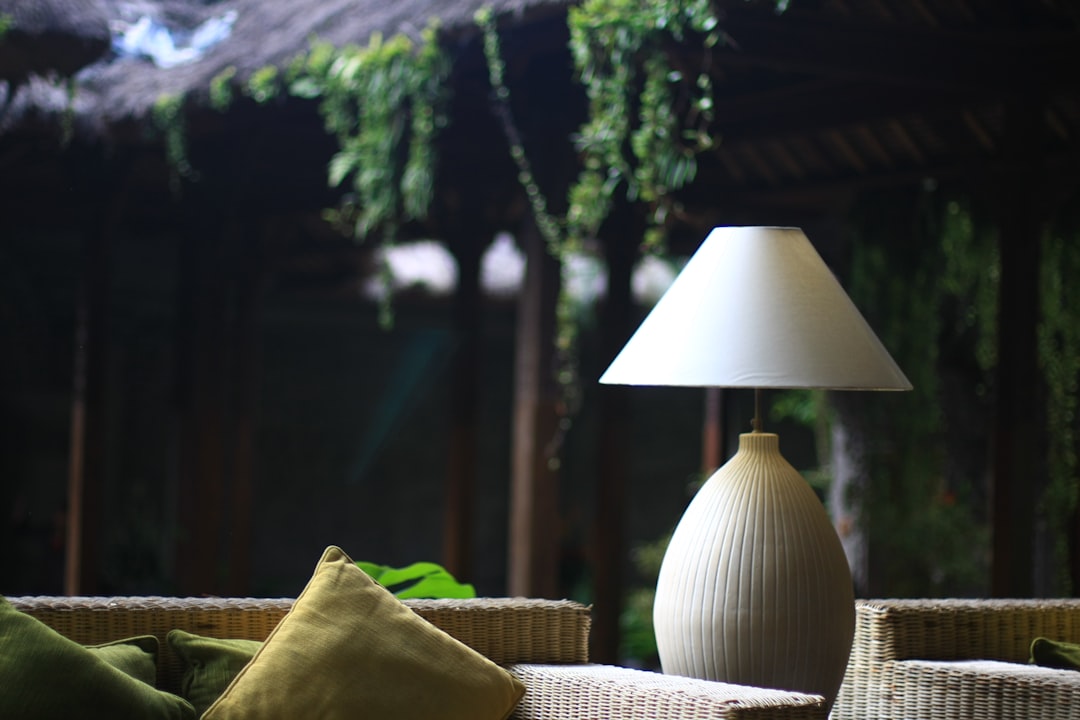
You’ve probably seen them – those ceramic lamps that aren’t perfectly smooth, might have a slight wobble, or sport a glaze that looks like it’s lived a little. They’re not flaws; they’re intentional. This is the essence of wabi-sabi, and it’s making its way into our homes, particularly through pieces like the wabi-sabi ceramic table lamp. So, what exactly is a wabi-sabi ceramic table lamp, and why are people drawn to them? Simply put, it’s a lamp that embraces the beauty of imperfection, asymmetry, and the natural aging process, bringing a sense of quiet authenticity to your space.
Forget about the flawless, mass-produced look. A wabi-sabi ceramic table lamp is a piece that speaks to a deeper appreciation for the natural world and the passage of time. It’s about finding beauty in things that are not perfect, not polished, and not brand new.
The Philosophy Behind the Aesthetic
Wabi-sabi, a Japanese concept, is far more than just a decorative style. It’s a worldview, a way of finding contentment and beauty in the imperfect and the impermanent. It encourages us to slow down, appreciate the simple things, and accept the natural cycles of growth, decay, and renewal. When applied to an object like a ceramic table lamp, this philosophy translates into a design that feels honest and deeply human.
Key Characteristics to Look For
When you’re looking at a ceramic table lamp that embodies wabi-sabi, keep an eye out for these Vldecor tell-tale signs. They’re what make the lamp unique and give it its characteristic charm.
Texture and Surface Stories
The surface of a wabi-sabi ceramic lamp is rarely smooth and uniform. Instead, it often tells a story. You might find subtle variations in texture, like a slightly rough finish, a ripple from the potter’s hand, or a glaze that has settled unevenly.
The Beauty of the Hand-Touched
This isn’t about a factory producing identical surfaces. A wabi-sabi lamp often shows evidence of the potter’s touch. This could be slight finger marks, subtle tool impressions, or a distinct feel that suggests it was shaped with care and attention.
Glaze Variations and “Imperfections”
The glaze is where a lot of the wabi-sabi magic happens. Instead of a perfect, even sheen, you’ll often see:
- Crazing: Tiny cracks in the glaze, which develop over time and add a sense of age and character.
- Pinholes: Small, almost imperceptible holes that can appear in the glaze, revealing the clay beneath.
- Drip Marks: Glaze that has naturally run, creating unique patterns and adding a handmade feel.
- Uneven Color Saturation: The glaze might be richer in some areas and fainter in others, creating depth and visual interest.
Form and Shape: Asymmetry and Organic Flow
Perfection in geometry isn’t the goal here. Wabi-sabi embraces forms that are more natural and less structured.
Embracing the Asymmetrical
A perfectly symmetrical vase or bowl might be beautiful in its own right, but a wabi-sabi ceramic lamp is more likely to have a gentle asymmetry. This could be a slightly off-kilter base, a subtly bulging silhouette, or a neck that angles rather than stands perfectly straight. These deviations from strict symmetry make the lamp feel more alive and less manufactured.
Organic and Earthy Silhouettes
Think of shapes found in nature. Wabi-sabi lamps often draw inspiration from the organic contours of stones, trees, or unfurling leaves. The silhouette might feel slightly irregular, like something that has been weathered by the elements.
Color Palettes: Muted and Natural Tones
The color choices for wabi-sabi ceramics are usually subdued and harmonious, reflecting the colors of the natural world.
Earth Tones and Subtle Hues
You’ll commonly find lamps in shades of:
- Earthy Browns and Tans: Reminiscent of soil and natural clay.
- Soft Grays and Muted Greens: Evoking stone, moss, or dried leaves.
- Off-Whites and Creamy Beiges: Appearing as natural, unbleached materials.
The Absence of Bold or Garish Colors
The emphasis is on a calming and grounding presence. You’re unlikely to see vibrant reds, electric blues, or neon yellows. The beauty lies in the quiet and understated.
The Aging Process: Patina and Character
One of the most significant aspects of wabi-sabi is its acceptance and even celebration of aging.
Developing a Patina Over Time
Just like a beloved piece of wood or metal, a wabi-sabi ceramic lamp is meant to age gracefully. The glaze can soften, the colors might deepen, and the overall feel of the lamp will evolve with use and exposure to light. This patina is not a sign of wear and tear but a mark of its history and continued existence.
The Beauty of Wear and Tear (When Intentional)
While we might try to keep new items pristine, wabi-sabi finds beauty in the marks of time. This doesn’t mean a lamp that’s falling apart, but rather one where subtle evidence of its life – like a ghost of a previous placement or a slight softening of an edge – contributes to its narrative and charm.
Why Are People Embracing Wabi-Sabi Lamps?
In a world saturated with mass-produced, trend-driven items, there’s a growing desire for objects that feel more meaningful and authentic. Wabi-sabi ceramic table lamps tap into this longing, offering something distinctly different.
A Counterbalance to Modern Perfection
We’re bombarded with images of flawless, digitally enhanced perfection in media and marketing. Wabi-sabi offers a refreshing contrast, reminding us that true beauty can be found in the imperfect, the unedited, and the real.
Reclaiming Authenticity in Our Homes
Our homes are our sanctuaries, and many people are seeking to fill them with items that have character and tell a story. A wabi-sabi lamp brings a sense of authenticity and warmth that a mass-produced, perfectly uniform item often lacks.
The Appeal of the “Real”
In an increasingly digital world, there’s a pull towards tangible, imperfect objects. The slight variations and tactile qualities of a wabi-sabi lamp connect us to a more grounded, physical reality.
Creating a Sense of Calm and Mindfulness
The quiet, understated nature of wabi-sabi aesthetics lends itself perfectly to creating serene and mindful spaces.
Promoting Serenity and Tranquility
The muted color palettes, organic shapes, and the absence of jarring elements in wabi-sabi lamps contribute to an atmosphere of calm. They don’t demand attention but rather offer a gentle presence.
Encouraging a Slower Pace
Wabi-sabi encourages us to appreciate the moment and the beauty that surrounds us. A lamp that embodies this philosophy can subtly influence the pace of our homes, fostering a more relaxed and contemplative environment.
Highlighting Craftsmanship and Human Connection
These lamps often represent a connection to human skill and dedication.
Honoring the Artisan’s Hand
Many wabi-sabi ceramic pieces are the result of skilled craftsmanship. There’s a tangible connection to the individual who shaped and fired the clay, a person behind the object rather than a machine.
Appreciating the Process, Not Just the Product
The slight imperfections are a testament to the human process of creation. They remind us that things are made by people, with all the inherent variations that come with it.
Incorporating a Wabi-Sabi Ceramic Table Lamp into Your Decor
Adding a wabi-sabi ceramic table lamp to your home doesn’t require a complete overhaul. These pieces are wonderfully versatile and can enhance a variety of interior styles.
Finding the Right Spot: Where Does It Belong?
The beauty of these lamps is their ability to blend in and enhance without overpowering.
Enhancing a Cozy Reading Nook
Imagine this lamp casting a warm, soft glow over your favorite armchair and a stack of books. Its imperfect charm will complement the relaxed atmosphere.
Adding Character to a Minimalist Space
In a clean, minimalist setting, a wabi-sabi lamp can act as a grounding element, providing a touch of warmth and organic texture without disrupting the overall aesthetic.
A Statement Piece in a Natural-Inspired Room
If your decor leans towards natural materials like wood, linen, and plants, a wabi-sabi lamp will feel right at home, amplifying the organic feel.
On a Side Table or Console
Its soft illumination is perfect for adding ambient light to entryways or living room side tables, creating a welcoming feel.
Styling Tips for Your Wabi-Sabi Lamp
Once you’ve got your lamp, here are a few ideas on how to best showcase its unique qualities.
Complementary Materials
Pair your wabi-sabi lamp with other natural and textured materials.
Wood and Natural Fibers
Think about wooden bedside tables, linen lampshades, jute rugs, or woven baskets. These will create a harmonious, earthy feel.
Stone Accents
If you have stone elements in your home, like a granite countertop or marble sculpture, a wabi-sabi lamp can tie in nicely.
The Importance of Light and Shadow
The way a wabi-sabi lamp casts light is part of its charm.
Soft, Diffused Illumination
Often, these lamps are paired with fabric shades that diffuse light softly, creating a warm and inviting ambiance rather than harsh, direct light.
Playing with Shadows
The textured surface of the ceramic can create interesting shadow play on your walls, adding depth and visual interest to the room.
Complementing the Shade
The lampshade is as important as the base for the overall wabi-sabi feel.
Natural Linen or Cotton Shades
Shades in muted, natural fabrics like linen or cotton in neutral tones are ideal. They contribute to the soft, diffused lighting.
Unbleached or Off-White Hues
Avoid stark white shades, as they can detract from the organic, earthy feel. Opt for off-white, cream, or light beige.
Choosing Your Wabi-Sabi Lamp: What to Consider
With so many unique pieces out there, how do you pick the perfect one for you?
Your Personal Aesthetic
While the principles of wabi-sabi are consistent, there’s a wide range of interpretations. Consider what spoke to you the most in the examples you’ve seen. Do you prefer more subtle texture or a bolder, more irregular shape?
The Size and Scale
Think about the space where the lamp will live. A large, statement lamp might overwhelm a small bedside table, while a tiny lamp might get lost in a spacious living room.
The Intended Function
Will this lamp be your primary reading light, or is it more about ambient mood lighting? This will influence the brightness and the type of shade you might need.
Where to Find Authentic Wabi-Sabi Ceramic Table Lamps
Sourcing genuine wabi-sabi pieces requires a little intention, as they’re not typically found in mainstream big-box stores.
Exploring Artisan Markets and Independent Boutiques
These are often the best places to discover handcrafted items that embody the wabi-sabi ethos.
Local Craft Fairs and Makers’ Markets
Many talented ceramicists showcase their work at local markets. This is a fantastic way to directly support artisans and find truly unique pieces. Chatting with the maker can often reveal the story behind the lamp.
Independent Home Decor Stores
Boutiques that focus on handcrafted, ethically sourced, or artisanal goods are more likely to carry wabi-sabi-inspired ceramics. They often curate collections that align with slower living and mindful aesthetics.
Online Marketplaces Dedicated to Artisanal Goods
The internet has made it easier to connect with creators from all over.
Platforms Featuring Independent Artists
Websites and platforms that specialize in handmade, artisanal products are a goldmine. Look for categories like “handmade ceramics,” “artisan lighting,” or “wabi-sabi decor.”
Direct from Ceramicists’ Websites
Many ceramic artists have their own online stores. If you find an artist whose style you love, checking their personal website is a great way to see their full collection.
What to Look For When Buying Online
When you can’t feel the piece in person, careful observation is key.
Detailed Descriptions and High-Quality Photos
Look for listings that provide thorough descriptions of the materials, dimensions, and any unique characteristics. Multiple, high-resolution photos from different angles are crucial.
Reading Reviews and Seller Information
Check what other buyers have to say about the quality and authenticity of the items. Reputable sellers will have positive feedback.
Understanding the “Imperfections” You’re Buying
Be aware that the beauty of wabi-sabi lies in its deviations from perfection. The seller should often highlight these unique characteristics, framing them as desirable features rather than defects.
The Enduring Appeal of Imperfection
Wabi-sabi ceramic table lamps are more than just sources of light; they are statements of a philosophy that values authenticity, quiet beauty, and the acceptance of life’s natural ebb and flow. In a world that often pushes for flawless, new, and disposable, these lamps offer a grounding, enduring presence. They remind us to pause, to appreciate the subtle, and to find beauty in the perfectly imperfect.
A Testament to Timelessness
Unlike trend-driven decor that quickly loses its appeal, wabi-sabi pieces have a timeless quality. Their beauty isn’t dependent on current fads but on a deeper appreciation for form, texture, and the story they tell.
The Narrative of an Object
Each wabi-sabi lamp is a narrative in itself – a testament to the earth from which it came, the hands that shaped it, and the time that has passed with it. This narrative adds a layer of depth and meaning to an everyday object.
Investing in Longevity and Meaning
Choosing a wabi-sabi ceramic lamp is often an investment in a piece that will only grow more beautiful and meaningful with age. It’s an antidote to the disposable culture, encouraging us to cherish objects that have character and longevity.
Beyond the Lamp: Embracing Wabi-Sabi Holistically
While the lamp is a wonderful entry point, the principles of wabi-sabi can extend to other aspects of your home and life.
Applying the Philosophy to Other Decor
Consider how wabi-sabi principles can influence your choices in furniture, textiles, and even the arrangement of objects in your home. Think natural materials, muted palettes, and a general sense of calm and simplicity.
Cultivating a Wabi-Sabi Mindset
The appreciation for imperfection can translate into how we view ourselves and others. Embracing wabi-sabi in our decor can be a gentle nudge towards a more accepting and compassionate outlook in our daily lives. It’s about finding peace not in striving for unattainable perfection, but in appreciating the beauty of what is, right here and now.