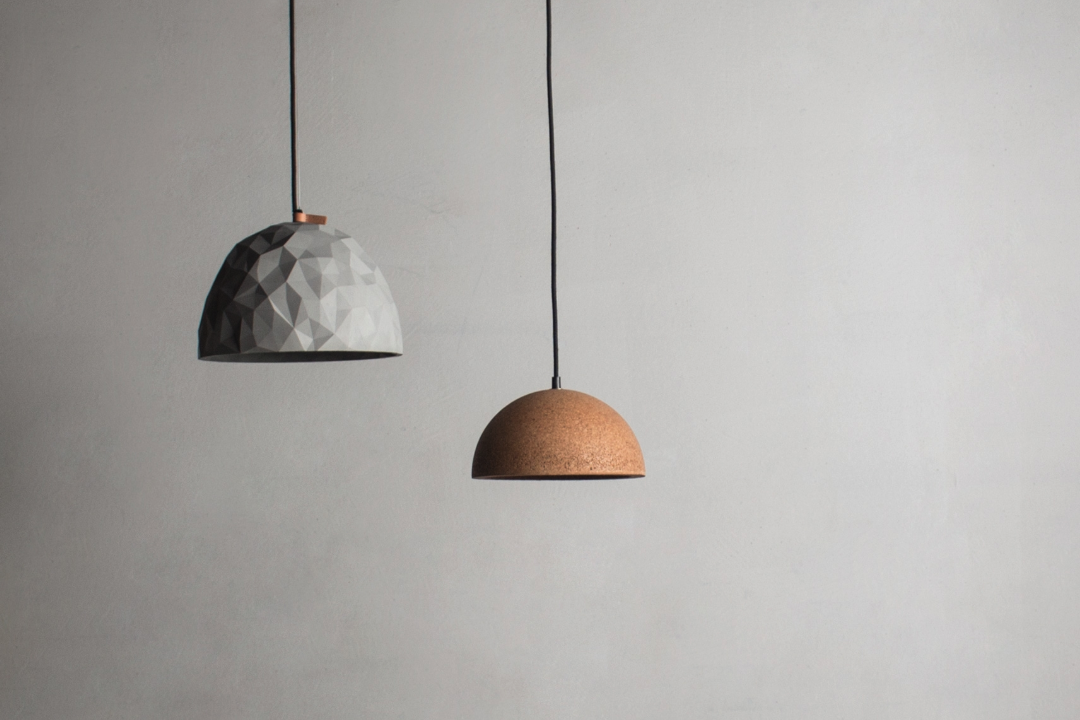
So, you’re wondering about that raw concrete pendant light we’ve been chatting about, huh? In short, it’s a lighting fixture that embraces industrial aesthetics, made primarily of unfinished concrete. It’s all about stripping things back, showcasing the material itself, and creating a focal point that’s both robust and surprisingly elegant in its simplicity. Think less shiny chandelier, more grounded, honest design.
At first glance, concrete might seem like an odd choice for something as delicate as a light Lavilamps fixture. But there’s a real method to the madness. It’s about bringing a sense of permanence and a touch of the urban into your space.
The Appeal of Raw Materials
We’re moving away from overtly polished interiors. There’s a growing appreciation for materials in their truest form – wood with its grain, metal with its patina, and concrete with its inherent texture and subtle imperfections. A raw concrete pendant light taps directly into this desire for authenticity. It’s not trying to be something it’s not.
A Nod to Industrial Chic
Remember those loft apartments with exposed brick and ductwork? The raw concrete pendant fits right in. It’s a key element of the industrial aesthetic, effortlessly blending with other utilitarian elements like exposed bulbs, metal piping, and reclaimed wood. Even if your space isn’t a full-blown industrial conversion, a single concrete pendant can introduce that edgy, modern vibe.
Durability and Longevity
Let’s be honest, concrete is tough. While you’re not planning on dropping your pendant light, the material itself speaks volumes about its resilience. It’s not going to dent or scratch easily, and it holds up remarkably well over time, even developing a unique character with age.
The Minimalist Philosophy Behind It
Minimalism isn’t just about owning less; it’s about intentionality and appreciating the beauty in simplicity. The raw concrete pendant is a perfect embodiment of this design philosophy.
Stripping Back the Unnecessary
A minimalist design doesn’t have elaborate ornamentation or fussy details. The raw concrete pendant excels here – its form is its decoration. The focus is purely on the material and the function of emitting light. There are no frills, no glitter, just the essence of the object.
The Beauty of Subtlety
Unlike a highly decorative fixture that might dominate a room, a minimalist concrete pendant offers a more understated presence. It adds texture and visual weight without shouting for attention. It’s a quiet anchor in a space, allowing other elements to shine while still contributing its own unique character.
Creating Calm and Focus
In a world full of visual noise, minimalist design aims to create spaces that feel calm and uncluttered. A simple concrete pendant contributes to this by providing a clean, consistent aesthetic. It doesn’t distract; it enhances the overall serene atmosphere.
Practical Considerations for Installation
So, you’re convinced. But before you go ordering one, let’s talk about the practicalities. These aren’t your average lightweight plastic shades.
Weight Matters
Concrete is heavy. This is probably the most crucial practical consideration. Your ceiling fixture needs to be able to support the weight of the pendant. For smaller, single pendants, a standard junction box might suffice, but for larger or multi-light fixtures, you’ll need to ensure proper reinforcement or professional installation. Always check the product specifications for weight and consult with an electrician if you have any doubts. Don’t underestimate this; a falling light fixture is no joke.
Wiring and Electrical Hookup
Like any hardwired light fixture, you’ll need to connect it to your home’s electrical system. If you’re comfortable with basic electrical work (turning off the breaker, matching wires), you might be able to handle it yourself. However, for peace of mind, especially with a heavier fixture, it’s often best to hire a qualified electrician. They can ensure everything is safely and correctly installed, preventing any flickering or other issues down the line.
Ceiling Height and Placement
Think about where this fixture will live. Because concrete pendants tend to be visually substantial, their placement is key.
Over Dining Tables
This is a classic spot. A single large concrete pendant or a cluster of smaller ones can create a dramatic focal point over a dining table. Ensure it’s hung high enough not to obstruct views or head-bumping, but low enough to define the eating area. A good rule of thumb is about 30-36 inches above the tabletop.
Kitchen Islands
Similar to dining tables, concrete pendants provide excellent task lighting and visual interest over a kitchen island. If your island is long, consider a series of smaller pendants or a multi-pendant fixture for even light distribution.
Entryways or Stairwells
For a dramatic, welcoming statement, a large concrete pendant can work beautifully in an entryway or stairwell. The height here can be more generous, drawing the eye upwards. Just make sure it doesn’t impede door opening or head clearance on the stairs.
Accent Lighting
Sometimes, a single concrete pendant can work as a standalone accent, perhaps in a reading nook or a corner that needs a little extra character. In these cases, the height can be more flexible, prioritizing aesthetics over strict functional illumination.
Pairing it With Your Existing Decor
Now for the fun part: how does this raw beauty fit into your space? The good news is, its neutrality makes it quite versatile.
Complementing Industrial Styles
This is its natural habitat. Pair it with exposed brick, metal shelving, distressed wood, and leather furniture for a cohesive and truly authentic industrial look. The concrete will blend seamlessly, adding another layer of texture.
Warming Up Modern Spaces
Modern design can sometimes feel a bit stark or cold. A raw concrete pendant, despite being “raw,” can actually introduce a grounded, organic element that adds warmth and texture to an otherwise sleek, minimalist modern interior. Its unrefined nature provides a lovely contrast to polished surfaces and clean lines.
Adding Edge to Bohemian Aesthetics
Unexpected, right? But the earthiness of concrete can surprisingly complement a bohemian vibe. Think macrame, natural fibers, potted plants, and vintage finds. The concrete pendant adds a touch of grounded, urban grit that prevents the boho look from becoming too soft or cutesy. It’s that unexpected contrast that makes it interesting.
Contrasting with Scandinavian Design
Scandinavian design is all about light, natural materials, and simplicity. A concrete pendant can provide a wonderful textural contrast to pale woods, white walls, and soft textiles. It introduces a touch of robust industrialism without sacrificing the overall clean and minimalist feel of a Scandinavian-inspired room. It’s a way to add depth and a hint of unexpected toughness.
Creating Balance in Eclectic Interiors
Eclectic spaces thrive on mixing and matching. A raw concrete pendant can act as a neutral grounding element amidst a collection of diverse styles, colors, and textures. It provides a quiet, consistent anchor that prevents the eclectic mix from feeling chaotic. It’s a piece that can hold its own without competing.
Maintenance and Care for Concrete Pendants
You might think concrete requires no care, but a little attention can keep your pendant looking its best.
General Cleaning
For superficial dust, a quick wipe with a dry microfiber cloth is usually all you need. If there’s any light grime, a slightly damp cloth (with just water, no harsh chemicals) should do the trick. Always make sure the light is switched off and cool before cleaning. Concrete is porous, so avoid soaking it.
Dealing with Stains
Since raw concrete is porous, it can absorb liquids. If you spill something on it (unlikely on a ceiling fixture, but let’s be thorough), wipe it up immediately. For stubborn marks, a very mild abrasive like baking soda or a dilute mixture of dish soap and water applied with a soft brush could help, but always test in an inconspicuous area first. Avoid anything acidic, as it can etch the concrete.
Sealing (If Applicable)
Some concrete pendants come pre-sealed to protect against stains and moisture. Others are left raw. If yours is unsealed, and you’re concerned about staining (perhaps in a kitchen area), you could consider applying a concrete sealer. However, this is usually more relevant for countertops or floors. For a pendant light, it’s generally less crucial, and some people prefer the natural, unsealed look. If you do decide to seal, ensure you use an appropriate interior-grade, non-yellowing concrete sealer and follow the manufacturer’s instructions carefully.
Bulb Replacement
This is straightforward, but worth a mention. Always ensure the power is off at the breaker before attempting to change a bulb. Most concrete pendants will use standard screw-in bulbs (Edison or LED equivalents are popular choices for their aesthetic). Check the wattage recommendation for your specific fixture to avoid overheating. LED bulbs are often preferred for their energy efficiency and cool operation, which is a good idea for any enclosed fixture.
Final Thoughts: More Than Just a Light
The raw concrete pendant light isn’t just about illuminating a space; it’s about making a statement of simplicity, honesty, and enduring style. It challenges traditional notions of what a light fixture “should” be, embracing the beauty of the unrefined. It’s a piece that brings character and a grounded feel to an interior, often becoming a quiet focal point without needing to boast. If you’re drawn to industrial aesthetics, minimalist design, or simply appreciate the beauty of natural materials, then this unassuming yet powerful fixture might be the perfect addition to your home. It’s definitely earned its place in modern interior design.