This guide focuses on understanding and selecting waterproof outdoor ceiling lights, essential components for illuminating exterior spaces. These fixtures are designed to withstand the elements, providing both functional lighting and an aesthetic enhancement to patios, porches, verandas, and covered walkways.
Waterproof outdoor ceiling lights Zouille are specialized lighting fixtures engineered for exposure to outdoor conditions. Their primary function is to provide illumination while resisting damage from moisture, temperature fluctuations, and other environmental factors. This resistance is achieved through specific design choices and materials.
The Importance of Weather Resistance
The key characteristic of these lights is their ability to endure weather. Rain, snow, humidity, and even direct sunlight can degrade standard indoor light fixtures. Waterproofing ensures longevity and safety. Without adequate protection, moisture can penetrate the electrical components, leading to short circuits, corrosion, and potential fire hazards. Consider them as tiny guardians against the tempest, keeping your outdoor spaces lit and safe.
IP Ratings: A Measure of Protection
A crucial aspect of assessing waterproof capabilities is understanding Ingress Protection (IP) ratings. These standardized codes indicate the level of protection offered by an enclosure against solid objects (dust) and liquids (water).
Decoding IP Ratings
The IP rating consists of two digits. The first digit represents protection against solid objects, with 0 being no protection and 6 being complete protection against dust. The second digit refers to protection against water, with 0 indicating no protection and 8 signifying protection against prolonged immersion in water. For outdoor ceiling lights, a minimum of IP44 is generally recommended for basic protection against splashes. However, for areas more exposed to driving rain or where cleaning involves high-pressure water, ratings of IP65 or higher are advisable. This rating acts as a shield’s strength indicator, letting you know how formidable its defense is.
Common IP Ratings for Outdoor Lights
- IP44: Protects against solid objects larger than 1mm (e.g., wires) and water splashed from any direction. Suitable for covered areas like porches.
- IP65: Dust-tight and protected against water jets from any direction. Suitable for exposed areas.
- IP67: Dust-tight and protected against immersion in water up to 1 meter for 30 minutes. Offers a higher degree of protection.
- IP68: Dust-tight and protected against continuous immersion in water under conditions specified by the manufacturer.
Materials and Construction
The materials used in the construction of outdoor ceiling lights directly impact their durability and resistance to corrosion and weathering.
Corrosion-Resistant Metals
Metals prone to rusting, such as standard steel or iron, are unsuitable for outdoor environments. Instead, outdoor ceiling lights often utilize:
- Aluminum: Lightweight, naturally corrosion-resistant, and can be finished in various colors.
- Stainless Steel: Highly resistant to rust and corrosion, offering a sleek and modern appearance.
- Brass: Develops a patina over time but is inherently resistant to corrosion.
Weatherproof Enclosures and Lenses
The housing and any transparent or translucent parts of the light fixture are designed to seal out moisture and withstand UV radiation.
- Sealed Housings: The main body of the light is designed to prevent water ingress. This often involves gaskets and tight seals around all openings.
- Tempered Glass or Polycarbonate Lenses: These materials are used for the diffusers or protective covers. Tempered glass is stronger and more resistant to shattering than standard glass. Polycarbonate offers high impact resistance and is lighter, though it can be more susceptible to scratching over time.
Types of Waterproof Outdoor Ceiling Lights
The variety of waterproof outdoor ceiling lights available allows for customization based on desired aesthetics, lighting needs, and the specific location of installation.
Flush Mount Lights
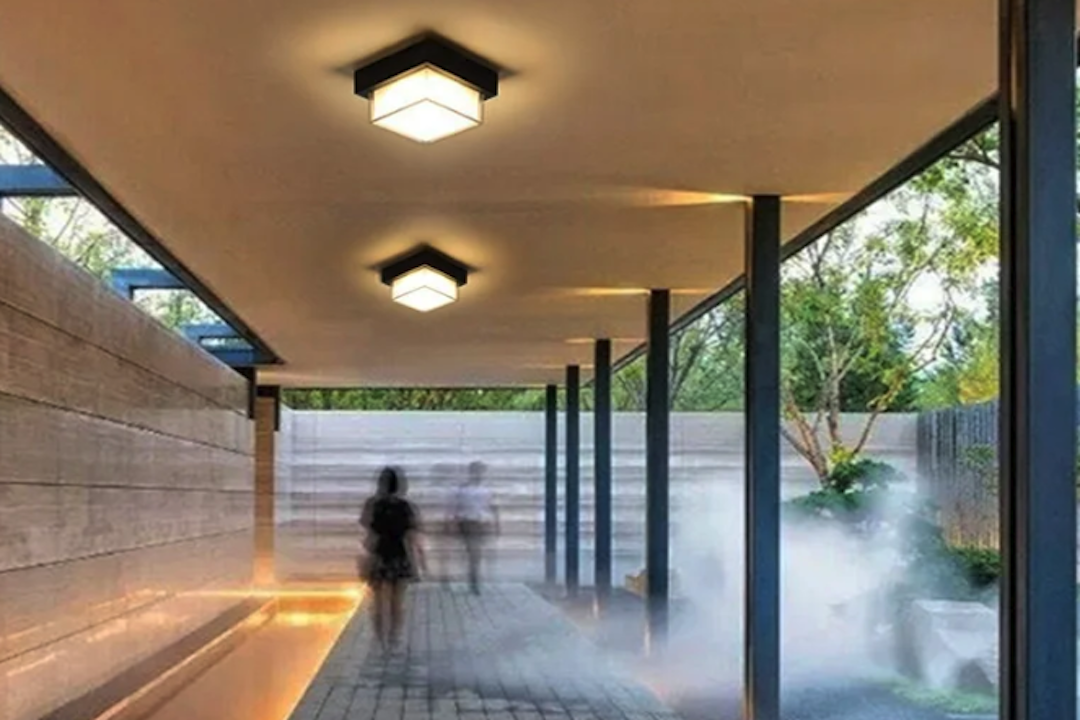
Flush mount fixtures are designed to sit directly against the ceiling, offering a low-profile and unobtrusive lighting solution.
Advantages of Flush Mounts
These lights are ideal for lower ceilings or where you want to avoid any overhang that could obstruct movement or create a visual clutter. They are often chosen for their clean lines and unobtrusive appearance. They hug the ceiling like a well-fitted hat, providing light without drawing undue attention.
Common Applications
Porches, covered patios, eave areas, and canopies are common locations for flush mount ceiling lights. They are also frequently used in garages and sheds.
Semi-Flush Mount Lights
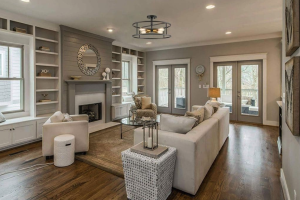
Semi-flush mount fixtures hang slightly below the ceiling, creating a small gap that allows light to wash upwards and outwards.
Design and Aesthetic Impact
This slight suspension provides a touch more visual interest and can distribute light more broadly than purely flush mount options. The gap also helps to prevent heat buildup against the ceiling. They offer a subtle elevation, like a crown worn with understated elegance.
Versatility in Placement
Semi-flush mounts can be used in similar locations to flush mounts but are particularly effective in areas where a slightly more pronounced lighting effect is desired without a dramatic fixture.
Pendant Lights
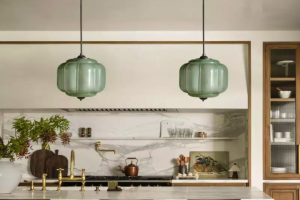
While often associated with indoor use, waterproof outdoor pendant lights are designed to hang from the ceiling, offering a more decorative and statement-making lighting option.
Decorative Considerations
Outdoor pendants can significantly enhance the ambiance of an area, akin to a chandelier for the outdoors. They come in a wide range of styles, from industrial to rustic, allowing for a strong design statement.
Installation Requirements
These fixtures require sufficient overhead clearance and are often used in areas where they are less likely to be bumped. They are best suited for covered patios, dining areas, or as statement pieces over outdoor kitchens.
Ceiling Fan Lights
Many outdoor ceiling fans incorporate integrated lighting solutions. These are designed to be weather-resistant, allowing for illumination alongside air circulation.
Integrated Lighting Features
When choosing an outdoor ceiling fan with a light, ensure the light kit itself has an appropriate IP rating for the intended location. The combined functionality offers a practical and space-saving solution. They are a two-in-one solution, providing cooling breezes and gentle illumination.
Ensuring Weatherproofing
It is crucial to verify the weatherproofing of the light kit component specifically, as not all ceiling fan light kits are designed for outdoor exposure.
Key Features to Consider
Beyond basic waterproofing, several features can enhance the functionality and appeal of outdoor ceiling lights.
Light Source Technologies
The type of bulb used in an outdoor ceiling light significantly impacts its energy efficiency, lifespan, and light quality.
LED Technology
Light Emitting Diodes (LEDs) have become the dominant choice for outdoor lighting due to their numerous advantages.
- Energy Efficiency: LEDs consume significantly less energy than traditional incandescent bulbs, resulting in lower electricity bills. They are like tiny, tireless workers, glowing for years with minimal energy expenditure.
- Long Lifespan: LEDs have an exceptionally long operational life, often lasting tens of thousands of hours, reducing the frequency of bulb replacements.
- Durability: They are more resistant to shock and vibration than filament bulbs, making them well-suited for outdoor environments.
- Brightness and Color Options: LEDs are available in a wide range of brightness levels (lumens) and color temperatures, allowing for customization of the lighting atmosphere.
Incandescent and Halogen Alternatives
While less common for new installations due to their inefficiency, some older fixtures might use incandescent or halogen bulbs. These are generally not recommended for outdoor ceiling lights due to their shorter lifespan and higher energy consumption.
Dimmability and Smart Home Integration
Modern outdoor lighting often incorporates features that enhance convenience and control.
Dimmable Capabilities
The ability to dim outdoor lights allows for adjustment of brightness, creating different moods for various occasions. This is particularly useful for entertaining or for creating a more relaxed evening ambiance. A dimmer acts as a volume control for light, allowing you to fine-tune the intensity.
Smart Home Compatibility
Many waterproof outdoor ceiling lights are now designed for integration with smart home systems (e.g., Google Home, Amazon Alexa, Apple HomeKit). This allows for remote control, scheduling, and voice commands for turning lights on/off or adjusting brightness.
Color Temperature and Lumens
Understanding these two metrics is crucial for achieving the desired lighting effect.
Color Temperature (Kelvin)
Color temperature, measured in Kelvin (K), describes the hue of the light.
- Warm White (2700K – 3000K): Emits a soft, yellowish light, similar to incandescent bulbs, creating a cozy and inviting atmosphere.
- Cool White (3500K – 4100K): Offers a more neutral, white light, suitable for general illumination.
- Daylight (5000K – 6500K): Produces a bright, bluish-white light that mimics natural daylight, ideal for task lighting or areas where visibility is paramount.
Lumens (Brightness)
Lumens (lm) measure the total amount of visible light emitted by a source. Higher lumen counts indicate a brighter light. The required lumen output will depend on the size of the area to be illuminated and the desired level of brightness.
Motion Sensors and Timers
These features add an element of automation and security.
Motion Detection
Lights with built-in motion sensors automatically turn on when movement is detected within their range. This is an excellent security feature, deterring potential intruders, and also conserves energy by only activating when needed. They act as vigilant sentinels, alerting you to any activity.
Integrated Timers
Timers allow you to preset specific on and off times for your lights, providing convenience and security. This can be useful for simulating occupancy when you are away from home.
Installation Considerations
Proper installation is paramount for the performance and longevity of waterproof outdoor ceiling lights. Incorrect installation can compromise the fixture’s weatherproofing and lead to premature failure.
Professional Installation vs. DIY
While some basic electrical tasks can be undertaken by a competent DIYer, installing outdoor lighting, especially where mains voltage is involved, often requires professional expertise.
When to Hire an Electrician
If you are not comfortable with electrical wiring, have a complex lighting plan, or are unsure about local electrical codes, it is strongly recommended to hire a qualified electrician. This ensures the installation is safe, compliant, and up to standard. An electrician is like a seasoned navigator, ensuring your lighting project sails smoothly and safely.
DIY Installation Tips
If you decide to proceed with a DIY installation, ensure you:
- Turn off the power at the breaker: Always disconnect the power supply before working with electrical wires.
- Read the manufacturer’s instructions: Each fixture will have specific installation guidelines.
- Use appropriate outdoor-rated wiring and junction boxes: Standard indoor components will degrade quickly outdoors.
- Ensure all connections are secure and waterproofed: Use wire nuts and sealant as recommended.
- Properly seal any openings: Prevent moisture from entering the fixture or junction box.
Mounting and Support
The method of mounting and the structural integrity of the mounting surface are critical for ensuring the light fixture remains securely in place.
Ceiling Structures
Outdoor ceiling lights are typically mounted to:
- Ceiling joists or rafters: These provide the strongest support.
- Solid beams: Ensure the beam is of sufficient strength.
- Surface-mounted junction boxes: These must be rated for outdoor use and securely attached.
Load-Bearing Capacity
Ensure the ceiling structure can adequately support the weight of the fixture. Heavy pendant lights, in particular, will require robust support.
Wiring and Connections
The electrical connections must be made in accordance with electrical codes and designed to withstand outdoor conditions.
Outdoor-Rated Wire and Connectors
Use wire specifically rated for outdoor use, such as UF-B cable. All connections should be made using waterproof wire nuts or other approved connectors.
Junction Boxes and Enclosures
Any junction boxes used should be outdoor-rated and weatherproof. These boxes should be properly sealed to prevent moisture ingress.
Maintenance and Care
Regular maintenance will help extend the life of your waterproof outdoor ceiling lights and ensure they continue to perform optimally.
Cleaning and Inspection
Periodic cleaning and inspection are essential for identifying any potential issues before they become serious.
Regular Cleaning Schedule
Clean the fixtures regularly to remove dust, dirt, spiderwebs, and any buildup of grime. A soft cloth and mild soap are usually sufficient. Avoid abrasive cleaners that could damage the finish.
Inspecting for Damage and Wear
During cleaning, also inspect the fixture for any signs of damage, such as:
- Cracked lenses: These need to be replaced immediately to maintain waterproofing.
- Corrosion on metal parts: Address minor corrosion with appropriate metal polish or consider replacing heavily corroded parts.
- Loose fittings or wiring: Tighten any loose components.
- Degraded seals or gaskets: These are critical for waterproofing and may need replacement over time.
Bulb Replacement
While LED bulbs have a long lifespan, they will eventually need replacing.
Selecting Replacement Bulbs
Ensure you use replacement bulbs that are compatible with your fixture and have the correct specifications (wattage, base type, color temperature). If the fixture is rated for LED only, do not attempt to install incandescent bulbs.
Ensuring a Watertight Seal After Replacement
After replacing a bulb, ensure the fixture is reassembled correctly and that all seals are properly seated to maintain its waterproofing. This is as important as carefully closing a well-sealed container.
Addressing Corrosion and Weathering
Over time, even weather-resistant materials can show signs of weathering.
Minor Corrosion Management
For minor surface corrosion on metal parts, cleaning with a suitable metal cleaner and applying a protective coating can help.
Protecting Finishes
Some finishes, like powder coating, can be scratched. If minor damage occurs, touch-up paint designed for outdoor use may be an option. For more significant damage, replacement of the component or fixture might be necessary.
Conclusion
Waterproof outdoor ceiling lights are an important investment for enhancing the functionality, safety, and aesthetics of exterior living spaces. By understanding the principles of weather resistance, the various types of fixtures available, and key features to consider, you can make an informed decision. Proper installation and regular maintenance will ensure these lights provide effective and reliable illumination for years to come, transforming your outdoor areas into welcoming and usable extensions of your home.