Industrial ceiling light fixtures offer a distinct aesthetic and functional upgrade for various interior spaces. This article explores the characteristics, applications, and considerations when integrating these fixtures into a design scheme.
Industrial design, as applied to lighting Manugoo, draws inspiration from factory, warehouse, and utility environments of the late 19th and early 20th centuries. It is characterized by a focus on raw materials, exposed mechanisms, and a utilitarian approach to form. This aesthetic has seen a resurgence in popularity, moving from purely functional spaces to residential and commercial interiors.
Materiality and Finish
Industrial fixtures frequently utilize robust materials such as steel, iron, aluminum, and sometimes copper or brass. These materials are often left in their natural state, showcasing their inherent texture and color. Finishes commonly include:
- Matte Black: A popular choice for its stark contrast and ability to recede visually, emphasizing the fixture’s shape.
- Aged Bronze: Offers a warmer, more antique feel, often with a subtle patina that suggests wear and history.
- Brushed Nickel/Chrome: Provides a cleaner, more contemporary industrial look, reflecting light and adding a sleek touch.
- Galvanized Steel: Characterized by its silvery, mottled appearance, resulting from a zinc coating that protects against corrosion.
- Raw Steel/Iron: Unfinished or minimally treated metal, often with visible welds or imperfections that contribute to its authentic industrial character.
Functional Aesthetics
The design of industrial lights is inherently driven by function. Features like cages, guards, and robust casings were originally designed to protect bulbs in demanding environments. Today, these elements contribute to the aesthetic appeal, offering visual texture and a sense of durability. The exposed hardware, including bolts, screws, and conduits, is not concealed but celebrated as part of the fixture’s honest construction.
Types of Industrial Ceiling Light Fixtures
Industrial ceiling lights encompass a variety of forms, each suited to different illumination needs and design intentions. Understanding these types allows for informed selection.
Pendant Lights
Pendant lights, suspended from the ceiling by a rod or chain, are a cornerstone of industrial lighting. They typically feature a prominent shade that directs light downwards, making them ideal for task lighting or highlighting specific areas.
- Dome Pendants: Characterized by a bell-shaped or hemispherical shade, often made of metal. These provide focused downward illumination and can be used individually or in multiples over islands or dining tables.
- Warehouse Pendants: Often larger in scale, these pendants feature a wide, shallow, or deep shade designed to spread light over a broad area. Their utilitarian origin is evident in their robust construction.
- Cage Pendants: Enclose the light bulb within a protective metal cage. This design element adds visual interest and reinforces the industrial aesthetic while allowing omnidirectional light dispersion.
- Glass Pendants (Industrial Style): While often associated with more delicate aesthetics, glass can be integrated into industrial pendants through ribbed, clear, or seeded glass shades, sometimes encased within a metal frame, offering a different quality of light.
Flush Mount and Semi-Flush Mount Fixtures
For spaces with lower ceilings or where a less obtrusive lighting solution is desired, flush mount and semi-flush mount fixtures offer an industrial alternative.
- Flush Mount: These fixtures sit directly against the ceiling, providing general ambient light without protruding significantly into the room. Industrial flush mounts often feature a simple, robust design, sometimes with a cage or a metal rim around a glass diffuser.
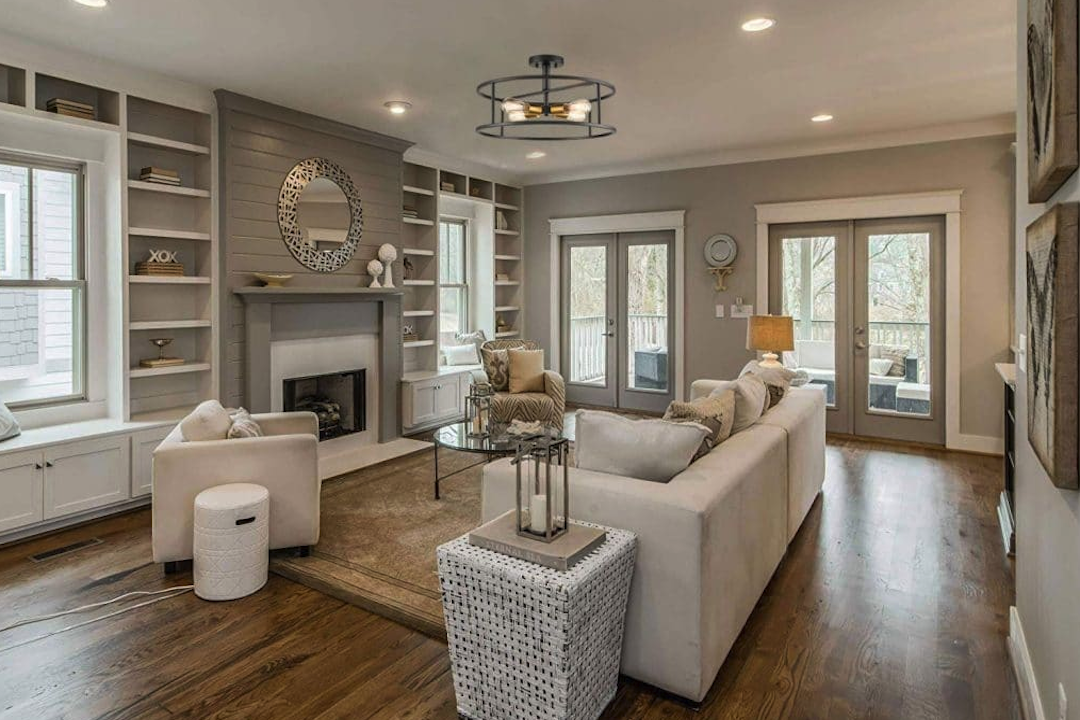
- Semi-Flush Mount: Extending slightly from the ceiling, semi-flush mounts offer a more decorative element than flush mounts while still being relatively compact. They often incorporate industrial-style shades or exposed bulbs.
Track Lighting Systems
While traditionally associated with modern design, track lighting can adopt an industrial aesthetic through the selection of appropriate fixtures and finishes. Individual light heads, often resembling mini-warehouse lights or spotlights with metal cages, are attached to a track, allowing for flexible positioning and direction of light.
- Industrial Track Heads: These often feature exposed bulbs, metal shades, or cage designs, aligning with the raw and utilitarian principles of industrial style. They are effective for accent lighting or illuminating specific artwork or architectural features.
Chandelier-Style Industrial Lights
Although less common, some manufacturers create chandelier-style fixtures that interpret industrial elements. These often involve multiple exposed bulbs radiating from a central hub, or a linear arrangement of industrial pendants, creating a larger, more impactful central light source suitable for grander spaces.
Applications in Various Spaces
Industrial ceiling light fixtures are versatile, adapting to a wide range of environments. Their robust nature and distinctive style make them suitable for both residential and commercial applications.
Residential Applications
In homes, industrial lighting can serve as a focal point or integrate seamlessly into an existing decor.
- Kitchens: Over kitchen islands or dining tables, industrial pendants provide focused task lighting and a strong design statement. Their durability is well-suited to the demands of a kitchen environment.
- Living Rooms: Larger industrial pendants or even industrial-style chandeliers can serve as the primary ambient light source, adding character to living areas. Track lighting can highlight artwork or architectural details.
- Bedrooms: Smaller pendants or flush mounts can provide ambient or bedside illumination. The rugged aesthetic can balance softer elements in a bedroom.
- Bathrooms: With appropriate IP ratings for moisture resistance, industrial flush mounts or small pendants can provide functional and stylish lighting, often contrasting well with ceramic or porcelain surfaces.
- Home Offices/Studies: The utilitarian focus of industrial lighting can promote a sense of productivity. Desk-height pendants or focused track lighting can enhance functionality.
Commercial Applications
The robust construction and distinctive style of industrial fixtures make them an excellent choice for commercial spaces seeking a unique identity.
- Restaurants & Cafes: Industrial pendants are frequently used to create an inviting yet edgy atmosphere, often in conjunction with exposed brick, concrete, and reclaimed wood. They define dining areas and bars.
- Retail Stores: The focused light from industrial track heads can highlight merchandise, drawing customer attention. The overall aesthetic can complement a brand’s image, particularly for fashion or artisan goods.
- Offices & Co-working Spaces: Industrial lighting can contribute to a modern, unpretentious work environment, especially in offices designed with an open-plan layout or exposed infrastructure.
- Art Galleries: Track lighting with industrial-style heads offers flexible illumination for exhibiting artworks, allowing curators to adjust lighting as displays change.
- Bars & Breweries: The raw, authentic feel of industrial lighting perfectly complements the atmosphere of many craft breweries and upscale bars, contributing to an ambiance of craftsmanship and robust character.
Key Considerations for Integration
Integrating industrial ceiling lights successfully requires attention to several design and practical factors.
Scale and Proportion
The size of the fixture relative to the room and other furnishings is crucial. An oversized pendant in a small room can dominate excessively, while a small fixture in a large space may appear insignificant. Consider ceiling height; longer pendants are viable in high-ceiling environments, while flush or semi-flush mounts suit lower ceilings.
Light Output and Direction
Evaluate the primary function of the light. Is it for general ambient illumination, task lighting, or accent lighting?
- Ambient Light: Fixtures with broader shades or diffusers will provide a more general spread of light.
- Task Light: Pendants with focused downward light are ideal over work surfaces such as kitchen islands or desks.
- Accent Light: Industrial-style track lighting or spotlights can be used to highlight specific features.
Consider the type of bulb used. Exposed filament bulbs (Edison bulbs) are popular for their aesthetic but typically offer lower lumen output compared to modern LED equivalents. Dimmers are recommended to adjust brightness and create different moods.
Material and Finish Coordination
The material and finish of the industrial light fixture should either complement or intentionally contrast with existing elements in the room.
- Harmonization: A matte black fixture might seamlessly integrate into a space with other black accents, steel furniture, or dark wood. An aged bronze fixture could pair well with warmer tones, exposed brick, or leather.
- Contrast: A raw steel fixture could provide a striking contrast within a predominantly soft, upholstered space, adding an unexpected element. The goal is to create visual interest without creating a disjointed aesthetic.
Wiring and Installation
Professional installation is advisable for ceiling light fixtures, especially for complex systems like track lighting or heavy pendants. Ensure that the junction box can support the weight of the fixture and that all wiring meets current electrical codes. For older properties, it may be necessary to update existing wiring.
Bulb Selection and Efficiency
While incandescent Edison bulbs contribute significantly to the aesthetic, consider modern alternatives for energy efficiency and longevity.
- LED Edison Bulbs: These replicate the warm glow and filament design of traditional Edison bulbs but consume significantly less energy and last much longer. They are available in various color temperatures, allowing you to choose between warmer (2200K-2700K) or neutral (3000K-3500K) light.
- LED Bulbs with Industrial Style: Many standard LED bulbs are now designed to be visually appealing, even when exposed. Look for bulbs with clear glass or unique shapes that complement the industrial fixture.
Maintenance and Durability
Industrial light fixtures are designed for durability, often requiring minimal maintenance.
Cleaning
Regular dusting with a soft, dry cloth is usually sufficient. For more thorough cleaning, a slightly damp cloth can be used on metal surfaces, followed by immediate drying to prevent water spots or rust, particularly on unfinished or raw metal parts. Avoid harsh chemical cleaners that can damage finishes.
Longevity
The robust construction and quality materials typically used in industrial fixtures contribute to their longevity. Unlike more delicate decorative lighting, industrial pieces are often built to withstand a degree of wear, which, in some cases, can even enhance their character (“patina”). When properly installed and maintained, these fixtures can provide illumination and aesthetic appeal for many years.
Conclusion
Industrial ceiling light fixtures offer a compelling blend of practicality and style. By understanding their origins, various forms, suitable applications, and essential integration considerations, you, as a decorator or homeowner, can effectively leverage these pieces to create spaces that are both functional and visually engaging. Their unvarnished character and enduring appeal provide a foundation for designs that speak to integrity and a grounded aesthetic.