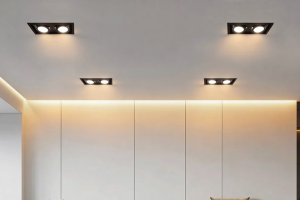
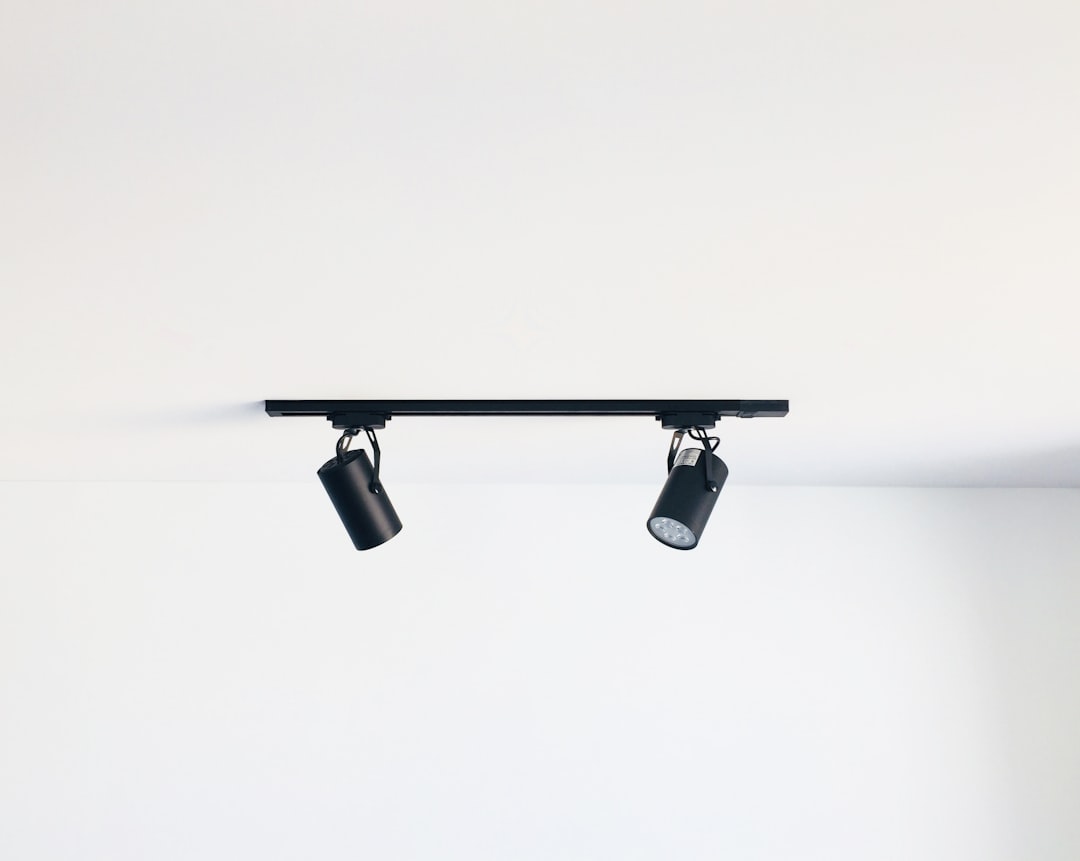
Tired of fixed lights dictating your room’s mood and functionality? What if you could effortlessly reposition your lighting exactly where and when you need it, all without drilling or messy wiring? That’s the core promise of a trackless magnetic lighting system, and it’s set to change how we think about illuminating our homes and workspaces.
What is a Trackless Magnetic Lighting System?
At its heart, a trackless magnetic lighting system is a clever combination of an invisible electrified track and magnetic light fixtures. Imagine a sleek, low-profile strip that discreetly embeds into ceilings, walls, or even furniture. This strip carries low-voltage power. Then, you have individual light modules – spots, pendants, linear lights, and more – that are equipped with strong magnets. These magnets allow you to simply attach, detach, and slide the lights anywhere along the electrified path with a satisfying click. No screws, no wires to connect, just pure magnetic magic.
The Core Components at Play
Let’s break down what makes these systems tick. It’s not just about magnets; there’s some smart engineering involved.
The Invisible Electrified Track
This is the backbone of the system, and its “trackless” nature is what sets it apart.
Design Flexibility
Unlike traditional tracks that are often bulky and visually prominent, these systems are designed for minimal visual impact. They can be recessed into plasterboard, mounted flush with surfaces, or even integrated into architectural features, making them almost disappear. This allows for a cleaner, more modern aesthetic.
Power Delivery
The track itself contains a conductive element, usually a series of precise conductors, that safely distributes low-voltage DC power along its entire length. This continuous power source is what allows lights to be moved freely.
Material Choices
While often made of durable aluminum alloys, the specific materials are chosen for their conductivity, strength, and aesthetic integration possibilities. Some systems offer options for different finishes to match various interior designs.
The Magnetic Light Modules
These are the stars of the show, the actual light sources that bring brilliance to your space.
Magnetic Attachment Mechanism
The strong neodymium magnets are precisely positioned on the top of each fixture. This ensures a secure and reliable connection to the electrified track. The design is crucial here to avoid accidental dislodging while still allowing for easy repositioning.
Integrated Electronics
Each module contains its own internal driver and LED light source. This means that each light is an independent unit. When you magnetically attach it to the track, it instantly receives power and becomes operational.
Versatile Fixture Types
This is where the “revolutionizing” part really shines. You’re not limited to just one type of light.
- Spotlights: For focused illumination on artwork or architectural features.
- Pendants: To add a statement piece and focused light over dining tables or kitchen islands.
- Linear Lights: For continuous ambient or task lighting.
- Wall Washers: To highlight textures on walls.
- Accent Lights: For subtle illumination of shelves or display areas.
The ability to mix and match these on the same track opens up a world of design possibilities.
The Power Supply and Control System
While the track and the modules are key, you need something to power it all and to give you control.
Discreet Power Adapters
The low-voltage power is typically supplied by a compact, efficient power adapter. These are often designed to be hidden away in electrical boxes or integrated into furniture, maintaining the system’s minimalist appeal.
Smart Control Options
Many systems integrate with smart home platforms, offering granular control over individual lights or groups of lights.
- Dimming: Adjust the brightness of each fixture to create different moods.
- Color Temperature Adjustment: Some advanced systems allow you to change the warmth or coolness of the light.
- Scheduling and Automation: Set lights to turn on or off at specific times, or to react to motion.
- App Control: Easily manage your lighting from your smartphone or tablet.
The Practical Advantages of Going Trackless Magnetic
Beyond the novelty, these systems offer tangible benefits that translate into real-world improvements for your living and working spaces.
Unparalleled Flexibility and Dynamic Lighting
This is arguably the biggest draw. The ability to move lights on demand is a game-changer for how we use space.
Adapting to Changing Needs
Think about entertaining. You might want brighter, more focused light for a dinner party, and then a softer, more ambient glow for a relaxed evening. With a trackless magnetic system, you can simply slide lights around to achieve this.
Task-Specific Lighting
In a home office or a workshop, you can instantly reposition a spotlight to illuminate your current task without glare or shadows. The same goes for reading in a living room – move a pendant or spotlight closer to your chair.
Seasonal Adjustments
As furniture arrangements change or as seasons shift, your lighting can easily adapt. No more living with fixed spotlights that are no longer in the optimal position.
Effortless Installation and Reconfiguration
This is a major selling point for anyone who has ever tackled a DIY lighting project.
No Wiring Hassles
The core concept of magnetic attachment means you bypass complex wiring runs. For new installations, this means fewer electricians and less disruption. For reconfigurations, it’s ridiculously simple.
DIY Friendly
For many applications, especially in existing spaces, users can install the track themselves. Once the track is in place, attaching and moving lights becomes a simple, intuitive process.
Minimalist Aesthetic Integration
The hidden nature of the track itself means the lighting becomes part of the architecture, not an add-on. This contributes to a cleaner, more sophisticated look.
Enhanced Design Freedom and Aesthetics
The freedom to place lights precisely where you want them unlocks new design possibilities.
Creating Custom Lightscapes
Instead of being limited by pre-determined lighting layouts, you can craft unique lightscapes that highlight architectural features, artwork, or create dramatic visual effects.
Seamless Integration into Design
The low-profile nature of the track means it can be virtually invisible. This allows the light itself to be the focus, rather than the fixtures and their mounting hardware.
Future-Proofing
As your design preferences evolve or as you redecorate, your lighting system can easily be updated to match, without requiring significant electrical work.
Innovative Use Cases and Applications
The versatility of these systems means they’re not just for high-end homes. They’re finding their way into a variety of environments.
Residential Applications
Your home is where the dynamic nature of these systems can truly shine.
Living Areas
Imagine a living room where you can easily move pendant lights to illuminate different seating areas, or a flexible spotlight arrangement to highlight seasonal decor.
Kitchens
Under-cabinet lighting can be precisely positioned, and pendant lights over an island can be repositioned if you change your island’s configuration or your cooking habits.
Bedrooms
Create a tranquil ambiance with adjustable bedside reading lights or a flexible general illumination scheme that can be adapted to your mood.
Home Offices
Provide focused task lighting that moves with you, ensuring optimal illumination for any work you’re doing.
Commercial and Retail Environments
The ability to adapt and highlight products quickly is a huge advantage here.
Retail Displays
Retailers can constantly reconfigure lighting to showcase new products or promotions, drawing attention to specific items. The ease of movement means minimal disruption for visual merchandising teams.
Galleries and Museums
Precisely highlighting artworks and artifacts with adjustable spotlights becomes simple, allowing curators to create the perfect viewing experience.
Restaurants and Hospitality
Create different moods for different times of the day or for special events. Ambient lighting can be adjusted, and feature lighting can highlight tables or architectural elements.
Exhibitions and Event Spaces
The flexibility is invaluable for temporary setups, allowing for rapid adjustments to suit different layouts and exhibitor needs.
Key Considerations When Choosing a System
While the technology is exciting, a few practical points are worth dwelling on before you commit.
Power and Load Capacity
Not all tracks are created equal. It’s crucial to understand the power output of the system and how much load (how many lights and their power consumption) it can handle. Running too many high-wattage fixtures on a single circuit can lead to issues.
Wattage Limits
Each track section has a maximum wattage it can safely support. This is usually listed in the product specifications. Ensure your chosen fixtures, multiplied by their quantity, stay within this limit.
Circuit Design
If you’re installing a larger system, consider how it will be wired into your home’s electrical panel. Some systems might require dedicated circuits for optimal performance and safety.
System Compatibility and Modularity
Once you choose a brand, you’re generally locked into their ecosystem for fixtures.
Fixture Exclusivity
The magnetic connectors are proprietary. This means you’ll typically need to buy all your light modules from the same manufacturer as your track.
Expansion Options
Check if the system allows for easy expansion with additional track lengths, which can be useful if you plan to add to your lighting scheme later.
Control and Smart Integration
Think about how you want to control your lights.
Wired vs. Wireless Controls
Some systems offer simple on/off switches, while others integrate with complex smart home ecosystems. Decide what level of control you need.
App Functionality
If smart control is a priority, investigate the accompanying app. Is it user-friendly? Does it offer the features you need, like scene creation or scheduling?
Aesthetic Integration and Installation Method
The “trackless” aspect is key, but how it integrates visually is important.
Recessed vs. Surface Mounted
Will the track be hidden within the ceiling, or will it be a visible element? The installation method will impact the final look and the complexity of the installation.
Finish Options
Some systems offer a range of finishes for the track to better blend with your ceiling or wall material.
The Future of Lighting is Fluid
Trackless magnetic lighting systems represent a significant leap forward from the rigid constraints of traditional lighting. They empower users to become active participants in shaping their environment, moving beyond simply installing lights to continuously curating them. As the technology matures and becomes more accessible, expect to see these systems become a standard feature in innovative interior design, offering a truly dynamic and adaptable approach to illumination. The days of fixed lighting dictating your space are numbered; the future is about light that moves with your life.