
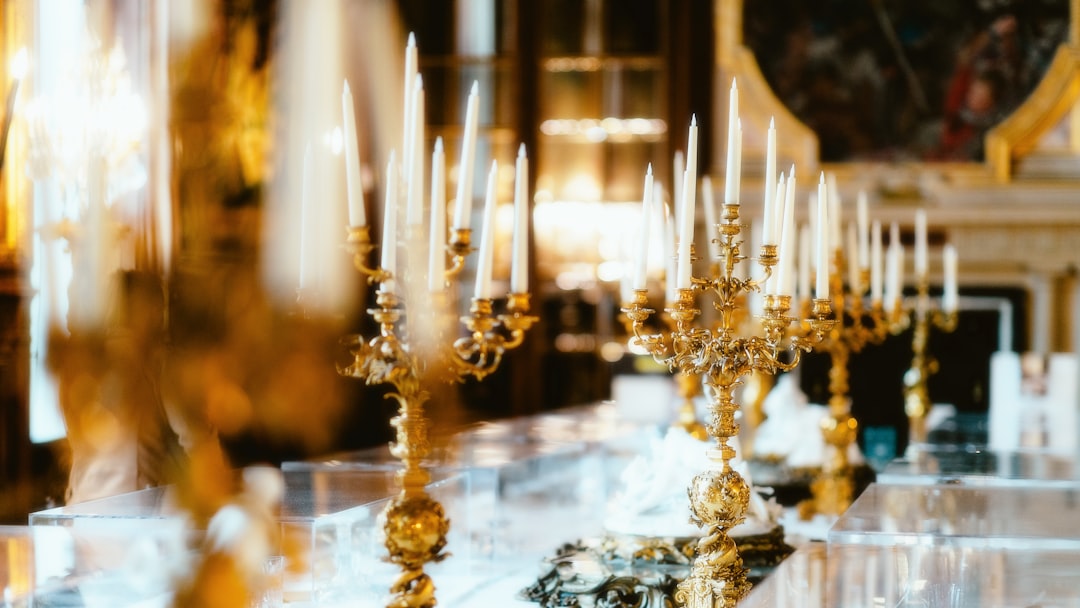
The following article discusses a large crystal chandelier designed for high-ceiling living rooms.
A large crystal chandelier is a prominent lighting fixture, often serving as a focal point in interior design. When installed in a living room with a high ceiling, its scale and material composition can significantly influence the ambiance and perceived grandeur of the space. These fixtures are typically characterized by their substantial size and the extensive use of faceted crystal elements that refract and reflect light. The design aspirations behind such a fixture often aim to create a dramatic visual statement, enhance the architectural features of the room, and provide layered illumination. The selection and installation of a large crystal chandelier are considerations that impact both the aesthetic and functional aspects of a high-ceiling living room.
Historical Context and Evolution
The origins of the chandelier can be traced back to the Middle Ages, where simple candelabra suspended from ceilings provided illumination. Over centuries, particularly during the Baroque and Rococo periods, chandeliers evolved into ornate, multi-tiered structures adorned with precious materials. The advent of electricity in the late 19th and early 20th centuries further transformed chandelier design, allowing for more intricate electrical wiring and the incorporation of electric bulbs, which offered consistent and safer illumination compared to candles. The development of synthetic materials also expanded the possibilities for crystal alternatives, yet authentic crystal remains a benchmark for brilliance. The desire to create opulent and captivating lighting experiences has persisted, leading to the contemporary large crystal chandeliers suitable for expansive spaces.
Material Composition and Craftsmanship
The term “crystal” in the context of chandeliers generally refers to glass that has been treated to increase its refractive index and dispersion. Lead crystal, for instance, incorporates lead oxide, which enhances both brilliance and weight. For chandeliers intended for high ceilings, the quality and cut of the crystal are paramount. Facets are precisely engineered to capture and scatter light, creating a radiant effect. The craftsmanship involved in cutting, polishing, and assembling these crystal components is a meticulous process. Artisans often hand-cut and polish each piece, ensuring uniformity and maximizing light play. The frame or armature, which supports the crystal elements, is also a significant component. Materials such as brass, bronze, or iron are commonly employed, often finished in metallic patinas or painted to complement the overall design scheme. The construction must be robust to support the considerable weight of a large fixture.
Design Considerations for High-Ceiling Living Rooms
The integration of a large crystal chandelier into a high-ceiling living room necessitates careful consideration of several design factors. The sheer scale of the room presents both opportunities and challenges. The chandelier must be proportionate to the volume of the space to achieve a balanced and harmonious aesthetic. Its placement, illumination capabilities, and influence on the room’s overall style are all critical elements.
Scale and Proportion
A defining characteristic of a high-ceiling living room is its vertical expanse. A chandelier designed for such an environment must possess a commensurate scale to avoid appearing diminutive or lost within the vastness of the space. This refers not only to the diameter and height of the fixture itself but also to the reach of its light and the visual weight it carries. A chandelier that is too small, even if made of exquisite crystal, may fail to provide adequate illumination and can seem like an afterthought, a small jewel lost on a vast canvas. Conversely, an overwhelmingly large fixture can overpower the room, making the ceiling feel lower or the space cramped. The goal is to find a piece that occupies the vertical space commandingly, drawing the eye upwards and reinforcing the sense of grandeur. Architects and interior designers often employ formulas or visual aids to determine appropriate scale, considering the room’s length, width, and ceiling height.
Illumination and Ambiance
The primary function of any chandelier is illumination, but for a large crystal fixture in a high-ceiling living room, this function carries amplified importance. These chandeliers are not merely sources of light; they are instruments for shaping ambiance. The multiple light sources, combined with the prismatic effect of the crystals, can create a warm, inviting glow or a more dramatic, dazzling display. The type of bulbs used – whether incandescent, LED, or halogen – influences the color temperature and brightness of the light. Dimmer switches are often essential for controlling the intensity and mood, allowing the chandelier to transition from a bright, functional light during gatherings to a softer, more intimate illumination for quieter moments. The way the light is diffused and reflected by the crystal facets can transform the appearance of the room, casting intricate patterns on the walls and ceiling, akin to a celestial map unfolding.
Style Compatibility and Statement Piece
A large crystal chandelier is inherently a statement piece, a focal point that can anchor the aesthetic of the living room. Its style must be compatible with the prevailing interior design. Whether the room is traditional, contemporary, transitional, or art deco, the chandelier should complement its architectural details and furnishings. For instance, a classic tiered crystal chandelier might suit a more traditional setting, while a modern design with cleaner lines and fewer cascades of crystals could enhance a contemporary space. The chandelier can act as a bridge between disparate design elements, harmonizing the overall aesthetic. It is often the first decorative element noticed upon entering the room, setting the tone and communicating a sense of luxury or refined taste. Its presence can elevate the perceived value and sophistication of the entire living area.
Types and Styles of Large Crystal Chandeliers
The category of large crystal chandeliers encompasses a diverse range of designs, each offering a distinct visual character suited for high-ceiling living rooms. These variations often stem from historical periods, manufacturing techniques, and intended aesthetic outcomes. Understanding these differences is crucial for selecting a piece that aligns with the specific design intent of the space.
Traditional and Classic Designs
Traditional large crystal chandeliers often draw inspiration from the opulent designs of eras like the Baroque and Rococo periods. These are characterized by multiple tiers, elaborate scrolling arms, and a profusion of faceted crystal elements.
- Tiered Structures: Many designs feature several levels, or tiers, of lights and crystal draping, creating a sense of depth and grandeur. These tiers can be arranged in concentric circles or staggered configurations.
- Crystal Quality and Cut: High-quality lead crystal, often hand-cut and polished, is a hallmark of traditional chandeliers. The facets are precisely engineered to maximize sparkle and light refraction. Common cuts include octagons, almonds, teardrops, and spheres.
- Frame Materials and Finishes: The frames are typically constructed from substantial metals like brass or bronze, often finished in antique gold, polished brass, or darkened patinas to evoke historical authenticity.
- Ornate Details: These chandeliers may incorporate decorative elements such as crystal finials, beaded strands, and intricately shaped arm supports. The overall effect aims for a rich, classic, and often regal appearance.
Modern and Contemporary Interpretations
Contemporary large crystal chandeliers, while still utilizing crystal, often exhibit cleaner lines, more minimalist structures, and innovative material combinations.
- Geometric Forms: Designs may move away from purely organic or classical shapes, favoring geometric patterns, spherical arrangements, or linear structures.
- Minimalist Frameworks: The metal framework might be sleeker and less ornate, with a focus on the crystal itself. Brushed nickel, chrome, or matte black finishes are common.
- Asymmetrical Designs: Some contemporary chandeliers play with asymmetry, creating dynamic visual interest that deviates from traditional symmetry. This can involve off-center elements or cascading arrangements that defy expectation.
- Material Fusion: In some instances, crystal is combined with other materials such as wood, acrylic, or textured metals to create a unique aesthetic that bridges traditional elegance with modern sensibilities. The crystal might be embedded within or suspended from these alternative elements.
Transitional Designs
Transitional chandeliers aim to bridge the gap between traditional and modern aesthetics, offering a versatile option for living rooms that incorporate elements from both styles.
- Balanced Proportions: These fixtures often feature a balance between ornate detailing and simpler forms, creating a look that is neither overly fussy nor starkly minimalist.
- Refined Crystal Use: While still using crystal, transitional designs might employ it more selectively, perhaps in focused clusters or streamlined cascades rather than profuse draping.
- Versatile Finishes: Finishes that bridge traditional and modern palettes, such as brushed nickel, oil-rubbed bronze, or aged brass, are often employed to ensure compatibility with a wider range of décor.
- Adaptable Silhouettes: The overall silhouette of a transitional chandelier can often be adapted to both classic and contemporary room settings, providing a flexible lighting solution.
Installation and Placement in High-Ceiling Environments
The successful integration of a large crystal chandelier into a high-ceiling living room involves careful planning regarding its installation and precise placement. The significant height of the ceiling introduces specific challenges and considerations that differ from standard installations.
Structural Support and Weight Considerations
Large crystal chandeliers are heavy fixtures due to the mass of the crystal components and the robust metal frames. Installing such a fixture in a high-ceiling environment requires robust structural support to safely bear its weight. Many modern homes and older buildings may not have pre-existing support adequately rated for these substantial lights.
- Load-Bearing Capacity: It is essential to determine the chandelier’s exact weight and ensure that the ceiling joists or beams at the intended installation point can support it. Structural engineers may be consulted if there is any doubt.
- Electrical Box Reinforcement: Standard electrical boxes are generally insufficient for heavy chandeliers. A reinforced electrical box, often referred to as a “heavy-duty” or “pancake” box, designed to be mounted directly to a ceiling joist or beam, is required.
- Mounting Hardware: Appropriate mounting hardware, such as heavy-duty chain, cable, or rods, must be used to suspend the chandelier. The connection points to the ceiling must be secured to the load-bearing structure. A professional electrician is indispensable for ensuring safe and code-compliant installation.
Hanging Height and Visual Impact
The height at which a large crystal chandelier is hung in a high-ceiling living room is a critical factor for both its visual appeal and functional illumination. The objective is to achieve a balance that maximizes the light’s reach and prevents the fixture from appearing too low or too high.
- Clearance and Walkway: The chandelier should be hung high enough to ensure adequate clearance for movement beneath it, typically at least seven feet from the floor in areas where people will stand or walk. This prevents accidental collisions and allows for easy access to any associated controls.
- Proportion to Room Volume: The height of the chandelier should complement the vertical volume of the room. If hung too high, its impact can be diminished, and the light may not diffuse effectively into the lower portions of the room. If hung too low, it can make the ceiling feel less imposing and obstruct views.
- Visual Dominance and Focal Point: The hanging height is instrumental in establishing the chandelier as a focal point. It should draw the eye upwards without creating a sense of being overwhelmed or dwarfed by the fixture. Designers often use the rule of thumb that the bottom of the chandelier should be roughly one-quarter to one-third of the ceiling height, but this can vary based on the chandelier’s width and the overall room proportions.
Wiring and Electrical Considerations
The electrical connection for a large crystal chandelier in a high-ceiling room requires specific attention due to the distance from the electrical source and the potential complexity of the fixture’s lighting elements.
- Extension of Wiring: Wiring will likely need to be extended from the electrical box to accommodate the chandelier’s position and height. This process must be carried out by a qualified electrician to ensure safety and adherence to electrical codes.
- Circuit Capacity: The total wattage of the chandelier’s bulbs must be considered in relation to the circuit’s capacity. Overloading a circuit can lead to tripped breakers or electrical hazards. Dedicated circuits may be advisable for very large or multiple chandeliers.
- Dimmable Lighting: For optimal ambiance control, it is highly recommended to wire the chandelier through a dimmer switch. This allows for the adjustment of light intensity to suit different times of day, activities, and moods. The dimmer switch itself must be compatible with the type of bulbs used in the chandelier.
- Remote Control and Smart Home Integration: For very high ceilings or for added convenience, chandeliers can be equipped with remote control systems or integrated into smart home networks for effortless operation. This aspect adds a layer of modern functionality to a traditional or opulent fixture.
The Impact of Crystal Quality and Cut
The visual performance of a large crystal chandelier is fundamentally determined by the quality of the crystal used and the precision of its cut and facet arrangement. These factors directly influence how the fixture interacts with light, creating its characteristic brilliance and sparkle.
Lead Crystal vs. Glass Alternatives
Distinguishing between true lead crystal and various glass alternatives is important when assessing the quality and light-scattering properties of a chandelier. The presence of lead oxide is a key differentiator.
- Lead Crystal: Characterized by its high refractive index and dispersion, lead crystal bends and separates light into its spectral colors more effectively than standard glass. This results in superior brilliance, deeper sparkle, and a prismatic effect. Higher lead content (typically 24% or more for “full lead crystal”) signifies higher quality.
- Crystal Glass (or Lead-Free Crystal): This type of glass may contain strontium or barium to enhance clarity and brilliance but lacks the lead oxide. While it can offer good sparkle, it is generally considered less brilliant and less dispersive than lead crystal.
- Standard Glass: Ordinary glass used in lighting fixtures will have a lower refractive index and dispersion, resulting in a less pronounced sparkle and a more muted light reflection.
- Acrylic and Resin: These are plastic-based materials that can mimic the appearance of crystal but lack the weight, depth, and optical properties of genuine crystal. They are lighter and less expensive alternatives.
Facet Design and Light Refraction
The way crystal is cut, specifically the number and arrangement of its facets, dictates how light is refracted and reflected throughout the chandelier. This is where craftsmanship plays a significant role.
- Number and Size of Facets: More numerous and precisely cut facets generally lead to greater light dispersion and a more dazzling effect. The interplay of large and small facets can create varied patterns of sparkle.
- Facet Angles and Precision: The angles at which facets are cut are crucial for directing light accurately and maximizing refraction. Expertly cut crystals will reflect and refract light in a way that produces a vibrant, multi-colored “fire” or rainbow effect.
- Types of Cuts: Common crystal shapes include almonds (pendalogue), icicles (pendant), octagons, spheres, and various star or floral patterns. The combination and arrangement of these shapes contribute to the overall aesthetic and light-play.
- Clarity and Inclusions: High-quality crystal should be free of significant inclusions (bubbles or imperfections) and possess a high degree of clarity, allowing light to pass through unobstructed and facilitating maximum refraction.
Coloration and Finishes of Crystal
While clear crystal is prevalent, colored crystals and specialized finishes can add unique dimensions to a chandelier’s appearance and light quality.
- Colored Crystals: Crystals can be infused with metallic oxides during their manufacturing process to produce a range of colors, such as amber, amethyst, rose, or sapphire. These colored crystals can tint the light that passes through them, creating a subtle chromatic effect.
- Swarovski Crystals: This brand is renowned for its precisely cut and polished crystal, often known for its exceptional clarity and brilliance, and is frequently used in high-end chandeliers.
- Aurora Borealis (AB) Finish: This is a transparent coating applied to the surface of a crystal, creating an iridescent effect that shimmers with rainbow-like colors. It amplifies the light’s sparkle.
- Other Surface Treatments: Various other treatments can be applied to crystal surfaces to alter their light-reflective properties, adding matte finishes, frosted effects, or specialized coatings to modify the intensity and character of the illumination.
Maintenance and Care for Crystal Chandeliers
A large crystal chandelier, while a magnificent addition to a high-ceiling living room, requires regular maintenance and careful handling to preserve its luster and functionality. The accumulation of dust and grime can significantly dull its brilliance.
Dusting and Surface Cleaning
Regular dusting is the most frequent and essential maintenance task for a crystal chandelier. The methods used should be gentle to avoid damaging the delicate crystal components or the metal frame.
- Gentle Dusting: For routine dusting, a soft, lint-free microfiber cloth is recommended. Gently wipe each crystal element and the frame. For chandeliers that are very high, specialized dusting wands with extendable handles can be useful.
- Avoiding Chemical Sprays: It is generally advisable to avoid spraying cleaning solutions directly onto the chandelier. Instead, spray a mild cleaning solution (diluted water and a few drops of mild dish soap, or a dedicated crystal cleaner) onto a cloth, and then wipe the crystals.
- Protecting the Area Below: When cleaning, it is wise to protect the floor or furniture directly beneath the chandelier with drop cloths or old towels to catch any dust or accidental drips.
- Frequency: The frequency of dusting depends on the environment. In areas with higher dust levels, weekly or bi-weekly dusting may be necessary. In cleaner environments, monthly dusting might suffice.
Deep Cleaning Crystal Elements
Periodically, a more thorough cleaning of the crystal is required to remove stubborn dirt, fingerprints, or residue that dusting alone cannot address. This can be a more involved process, especially for very large fixtures.
- Removing Crystal Components: For the most effective deep cleaning, it is often recommended to carefully remove the individual crystal components. Most chandeliers are designed so that crystals can be unhooked or detached. Keep track of the placement of each piece, perhaps by numbering them or taking photographs before removal.
- Washing Methods: Immerse the removed crystal pieces in a basin of lukewarm water with a small amount of mild dish soap or a specialized crystal cleaner. Gently wash each piece. Avoid abrasive materials that could scratch the crystal.
- Rinsing and Drying: Rinse the cleaned crystals thoroughly under clean water to remove all soap residue. Dry each piece immediately with a soft, lint-free cloth to prevent water spots. The metal components of the chandelier should not be submerged in water.
- Professional Cleaning Services: For very large, complex, or antique chandeliers, or if you are uncomfortable with disassembling the fixture, consider hiring a professional cleaning service that specializes in antique or ornate lighting. They possess the expertise and tools for safe and effective cleaning.
Check and Tighten Connections
Beyond the visual cleaning, periodic checks of the chandelier’s structural integrity and electrical connections are vital for safety and longevity, particularly given the weight involved.
- Securing the Frame: Periodically inspect the chandelier’s frame and support structure for any signs of looseness or wear. Ensure that screws and bolts are securely fastened. Given the significant weight, a loose connection could have severe consequences.
- Chain and Cable Inspection: Examine the suspension chain or cable for any signs of stress, rust, or damage. If any degradation is observed, the chain or cable should be replaced by a qualified professional.
- Electrical Connections: While this should primarily be the domain of a qualified electrician, a visual inspection of the wiring where it enters the chandelier and connects to the ceiling box can be performed by the homeowner. Look for any frayed wires or exposed connections. Any concerns should be immediately addressed by an electrician.
- Bulb Replacement: When replacing bulbs, ensure they are the correct wattage and type for the chandelier. Always switch off the power at the circuit breaker before attempting to change bulbs.