
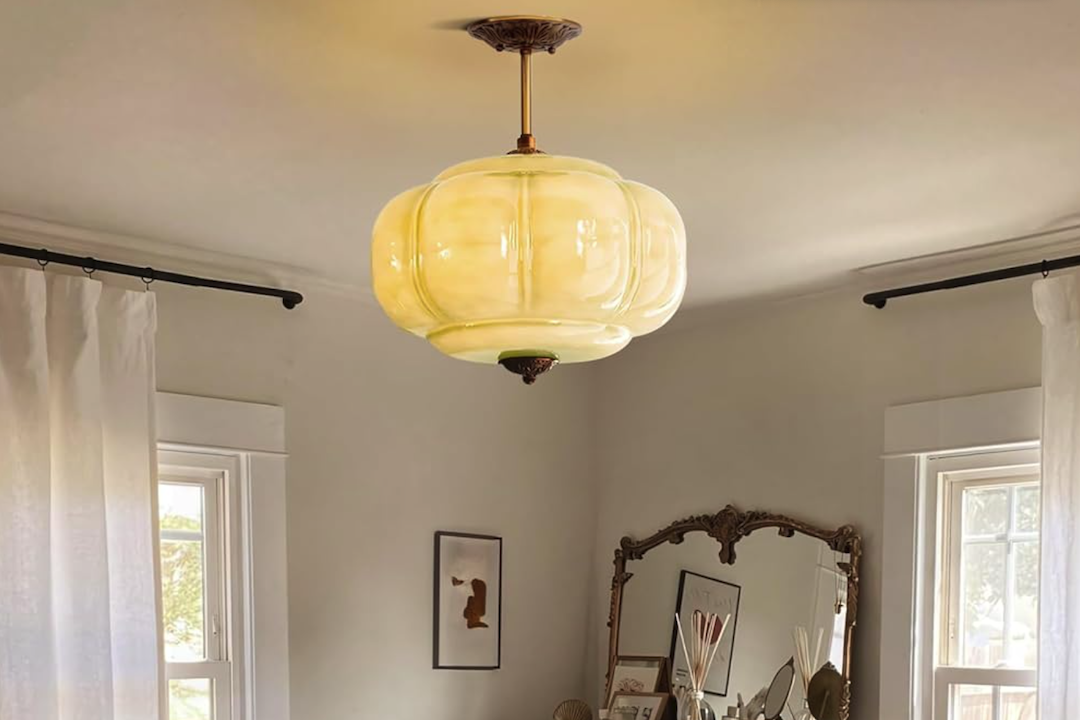
Vintage Art Deco milk glass ceiling fixtures, often recognized for their enduring aesthetic appeal, represent a significant period in design history. Originating largely in the 1920s and 1930s, these lighting solutions were integral to the Art Deco movement, a style characterized by its geometric precision, rich ornamentation, and symmetrical patterns. The use of milk glass, an opaque or translucent white glass, was a deliberate choice, offering both functional light diffusion and a distinctive visual texture. Understanding these fixtures requires an appreciation of their historical context, stylistic elements, and practical applications.
Defining Art Deco
The Art Deco movement, named after the 1925 Exposition Internationale des Arts Décoratifs et Industriels Modernes in Paris, was a universal style that influenced architecture, interior design, fashion, and industrial design. It emerged as a celebration of modernity, incorporating elements from various sources, including Cubism, Russian Constructivism, and even ancient Egyptian and Mesoamerican art. Key characteristics include streamlined forms, zigzag patterns, sunburst motifs, and a focus on luxurious materials. In lighting Ozojo , this translated into fixtures that were not merely functional but were also artistic statements.
The Role of Milk Glass
Milk glass, sometimes referred to as opaque white glass, has a history extending back to 16th-century Venice. However, its widespread adoption in lighting fixtures, particularly during the Art Deco period, was strategic. Its opaqueness served to mitigate the harsh glare of early incandescent bulbs, diffusing the light into a softer, more ambient glow. This material choice also offered a clean, elegant aesthetic that resonated with the Art Deco emphasis on sophistication and understated luxury. The ability to mold milk glass into various shapes, from simple domes to complex geometric forms, further cemented its place in this era of design.
Distinguishing Vintage from Reproduction
For anyone considering a vintage Art Deco milk glass ceiling fixture, distinguishing authentic pieces from modern reproductions is crucial. While contemporary manufacturers produce compelling replicas, true vintage items possess certain characteristics. These often include subtle imperfections inherent in older manufacturing processes, period-specific hardware, and a patina developed over decades. Examining the glass for consistent opacity and texture, as well as the quality of the metalwork, can provide clues. An authentic piece carries a historical narrative embedded within its very material.
Design Principles of Art Deco Lighting
The design principles dictating Art Deco lighting, especially fixtures using milk glass, are rooted in the movement’s broader aesthetic philosophy. These are not merely decorative objects but rather carefully conceived elements intended to integrate seamlessly into a cohesive interior design scheme. The emphasis was on bold statements, often achieved through geometric simplification and symmetrical arrangements.
Geometric Forms and Symmetry
Art Deco fixtures are often characterized by strong geometric shapes. Circles, squares, octagons, and rectangles are common, frequently combined to create intricate yet balanced compositions. Think of a series of concentric circles or a symmetrical arrangement of stepped forms. This adherence to geometry created a sense of order and modernity. The fixture itself becomes a kind of illuminated sculpture, its forms dictating the flow of light and shadow.
Streamlined Aesthetics
The concept of streamlining, born from the industrial age and advancements in transportation, also found its way into Art Deco lighting. While not as overtly aerodynamic as some furniture or vehicle designs, lighting fixtures often presented themselves with smooth, unbroken lines and an absence of excessive ornamentation. This allowed the form itself to be the primary decorative element, conveying sophistication through simplicity and efficiency.
Material Integration
Beyond milk glass, Art Deco fixtures often combined various materials. Chrome, nickel, brass, and even bakelite were frequently used for the fixture’s frame and decorative elements. The interplay between the cool, reflective metals and the soft, diffused light of the milk glass created a visual contrast that was both striking and harmonious. This careful integration of diverse materials was a hallmark of the Art Deco approach to design.
Functional Aspects and Illumination
Beyond their aesthetic appeal, Art Deco milk glass ceiling fixtures served a vital functional purpose: to illuminate spaces effectively. The design choices were not solely driven by visual artistry but also by the practicalities of lighting a room, often in an era where artificial lighting was still evolving.
Light Diffusion and Ambiance
The primary functional benefit of milk glass in ceiling fixtures is its remarkable ability to diffuse light. Unlike clear glass, which allows light to pass through directly, milk glass scatters the light, softening its intensity and reducing harsh shadows. This creates a warm, inviting ambiance, making these fixtures ideal for living rooms, dining areas, and bedrooms where a softer, more diffused light is preferred. The fixture acts as a filter, transforming raw light into a gentle pervasive glow.
Ceiling-Mounted and Semi-Flush Designs
Art Deco milk glass fixtures typically fall into two main categories: ceiling-mounted (flush mount) and semi-flush mount. Flush-mount fixtures hug the ceiling directly, ideal for rooms with lower ceiling heights or where an unobtrusive light source is desired. Semi-flush fixtures, conversely, hang a few inches below the ceiling, often suspended by a short rod or decorative chain. This allows for a slightly greater spread of light and can add a dimensional element to the room. The choice between these two types often depends on the architectural characteristics of the space.
Bulb Compatibility and Modern Adaptations
Originally designed for incandescent bulbs, vintage Art Deco fixtures are generally compatible with modern LED bulbs. This compatibility is a significant advantage, as LED technology offers improved energy efficiency, longer lifespan, and a range of color temperatures. When choosing bulbs, pay attention to wattage equivalents to ensure adequate illumination without overwhelming the delicate milk glass. The fixture itself, designed for a specific light output, can be adapted to contemporary lighting standards with careful bulb selection.
Installation and Maintenance Considerations
Installing and maintaining a vintage Art Deco milk glass ceiling fixture requires careful attention to detail. These are not just decorative pieces; they are electrical appliances that require safe and proper handling. Practical considerations extend beyond aesthetics to encompass electrical safety and preservation of the fixture’s integrity.
Electrical Safety and Wiring
Before any installation, always prioritize electrical safety. Ensure the power to the circuit is turned off at the breaker. If you are not experienced with electrical wiring, it is highly recommended to consult a qualified electrician. Vintage fixtures may have older, potentially brittle wiring that needs to be inspected or replaced. Modern wiring standards dictate specific procedures for grounding and connections, which must be adhered to for safety.
Mounting and Structural Support
Vintage ceiling fixtures, particularly those with substantial milk glass components, can be heavier than modern alternatives. Verify that the ceiling junction box and the surrounding ceiling material can adequately support the fixture’s weight. Supplementary blocking or bracing within the ceiling may be necessary. The fixture’s mounting hardware should always be secure and robust, preventing any risk of sagging or detachment over time.
Cleaning and Preservation of Milk Glass
Cleaning milk glass requires a gentle approach to avoid scratching or damaging its surface. Use a soft, damp cloth with mild soap and water. Abrasive cleaners or harsh chemicals can etch the glass or dull its finish. For stubborn grime, a gentle glass cleaner can be used, applied to the cloth rather than sprayed directly onto the fixture. Regular, gentle cleaning helps maintain the fixture’s luster and preserves its historical integrity. For metal components, a appropriate metal polish for brass, chrome or nickel can be used but ensure it does not come into contact with the glass.
Integrating Vintage Art Deco Fixtures into Modern Interiors
The beauty of vintage Art Deco milk glass ceiling fixtures lies in their versatility. They are not confined to period homes but can seamlessly integrate into a variety of modern interior design schemes, acting as a bridge between historical elegance and contemporary living. They offer a unique opportunity to add character and depth to a space.
Contrast and Complement
One effective strategy is to use the fixture as a point of contrast in a minimalist or contemporary setting. Imagine a sleek, unadorned room with a striking Art Deco fixture as its central focus. The geometric patterns and diffused light can soften sharp lines and add a touch of historical sophistication. Conversely, in a more traditional or classic interior, the fixture can complement existing architectural details and furniture, reinforcing a sense of timeless design.
Thematic Cohesion
For those seeking a more cohesive Art Deco aesthetic, the fixture can serve as a cornerstone around which other elements are built. This does not mean creating a museum exhibit; rather, it involves selectively choosing other pieces—perhaps a geometric rug, a chrome accent table, or a piece of period artwork—that echo the fixture’s design language. The goal is to create a dialogue between elements, where the fixture plays a leading role in the conversation.
Creating a Focal Point
In any room, an Art Deco milk glass ceiling fixture possesses the gravitas to become a natural focal point. Its distinctive design and warm illumination draw the eye upwards, adding a vertical dimension to the space. Consider its placement carefully: centered over a dining table, in a prominent entryway, or as the main light source in a living area. The fixture, like a carefully chosen gem, can elevate the entire room’s design. It commands attention without overwhelming, serving as both a light source and a piece of functional art.
Conclusion: The Enduring Appeal
Vintage Art Deco milk glass ceiling fixtures continue to captivate with their unique blend of historical significance, aesthetic appeal, and functional utility. They are more than just light sources; they are artifacts of a distinct design era, offering a tangible connection to the past. Their enduring appeal lies in their ability to transcend trends, remaining relevant and desirable across different design sensibilities.
The decision to incorporate such a fixture into one’s home is a choice to embrace a piece of design history. You are not simply installing a light; you are making a statement—a nod to craftsmanship, thoughtful design, and a style that, decades later, still radiates an undeniable elegance. These fixtures stand as quiet testaments to a time when lighting was considered both an art and a science, offering lessons in both beauty and practicality that remain pertinent today.