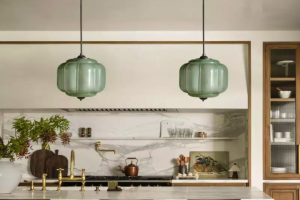

Opal glass, with its milky translucence and diffused light, has long been a material favored for creating a gentle and inviting ambiance. When employed in overhead lighting fixtures, particularly those with multiple arms, it offers a distinctive aesthetic that can significantly influence a room’s atmosphere. This article examines the design principles, historical context, and functional aspects of a multi-arm chandelier crafted from opal glass, focusing on its capacity to deliver a “soft-focus statement” within an interior design schema.
The use of glass for illumination has a history stretching back centuries, from early oiled lamps to the advent of gas and electric lighting. Opal glass, specifically, emerged as a significant material in the decorative arts of the late 19th century. Its development was driven by a desire for a diffused light source that softened the glare of early incandescent bulbs.
The Rise of Art Nouveau and Opal Glass
The Art Nouveau movement, characterized by its organic forms and decorative emphasis, saw a notable integration of opal glass into lighting. Designers of this era sought to create fixtures that were not merely functional but also artistic expressions. The milky quality of opal glass lent itself well to interpretations of natural motifs, such as flowers, leaves, and flowing lines, often rendered in subtle color palettes.
Louis Comfort Tiffany and Favrile Glass
While not exclusively opal glass, the techniques pioneered by Louis Comfort Tiffany with his Favrile glass are illustrative of the era’s exploration of glass’s aesthetic potential. Favrile glass, with its iridescent qualities and rich colors, often incorporated milky or opaque sections that hinted at the diffusion characteristic of true opal glass. The desire for unique and handmade glass for lighting was a hallmark of this period.
The Victorian Era and the Democratization of Light
In the Victorian era, as electricity began to replace gas lighting, there was a surge in the production of decorative lighting fixtures. Opal glass globes and shades became increasingly common, offering a more accessible alternative to the elaborate crystal chandeliers that were prevalent in wealthier homes. This period saw the mass production of simpler opal glass shades, making diffused lighting more widely available.
The Influence of Industrialization
Industrial advancements in glass manufacturing allowed for greater consistency and affordability in the production of opal glass. This enabled a broader adoption of this material across various social strata, making its characteristic soft light a more common feature in domestic interiors.
Mid-Century Modern and the Refinement of Form
The mid-century modern period saw a renewed interest in functionalism and clean lines. While elaborate chandeliers were less in vogue, simpler, more geometric designs utilizing opal glass gained traction. The material’s inherent diffusion remained valuable for creating a tranquil and understated environment, often paired with wood, metal, or ceramic elements.
Scandinavian Design and Minimalism
Scandinavian design, with its emphasis on natural materials, simplicity, and functionality, often incorporated opal glass. The material’s ability to provide even, shadowless light aligned perfectly with the minimalist aesthetic, contributing to a sense of calm and order. Fixtures were often designed with a clear visual language, where the opal glass was presented as a primary element.
Design Characteristics of an Elegant Opal Glass Multi-Arm Chandelier
The term “elegant” in the context of this chandelier suggests a deliberate combination of form, material, and proportion that results in a visually harmonious and sophisticated fixture. The multi-arm configuration allows for the distribution of light across a wider area, while the opal glass softens this distribution.
The Multi-Arm Structure: A Framework for Light
The presence of multiple arms is a defining characteristic, allowing the chandelier to extend its reach and illuminate a larger space than a single-bulb fixture. This structural element dictates the overall silhouette of the chandelier and plays a crucial role in its visual weight and balance within a room.
Branching and Symmetry
Multi-arm chandeliers often exhibit branching patterns, mimicking trees or other organic forms, or they can adhere to more geometric and symmetrical arrangements. The way these arms extend and hold the light sources contributes to the chandelier’s dynamic or static visual presence.
Materiality of the Arms
While the focus is on opal glass, the material of the arms themselves contributes to the overall elegance. Common choices include polished brass, brushed nickel, wrought iron, or even wood, each lending a different textural and tonal quality to the fixture and influencing its perceived formality or informality.
Opal Glass Shades: The Diffusers of Radiance
The opal glass shades are the heart of this lighting concept. Their primary function is to diffuse the light from the bulbs, transforming direct, potentially harsh illumination into a soft, ambient glow. This diffusion process is key to achieving the “soft-focus” effect.
Opacity and Translucency
Opal glass is not entirely opaque. It possesses a degree of translucency, allowing light to pass through while obscuring the filament or LED source within. This controlled transmission of light is what creates the gentle illumination. The degree of opacity can vary, influencing the intensity and quality of the diffused light.
Shape and Form of the Shades
The shape of the opal glass shades can range from classic globes and bell shapes to more contemporary geometric forms. Their scale in relation to the arms and the overall chandelier size also contributes to the aesthetic balance. Smaller, more numerous shades might create a starry effect, while larger shades can provide a more substantial pool of light.
Scale and Proportion: The Balancing Act
The elegance of the chandelier is inextricably linked to its scale and proportion relative to the space it occupies. A chandelier that is too large can overwhelm a room, while one that is too small can appear insignificant and lost.
Ceiling Height and Room Dimensions
The height of the ceiling is a primary consideration. Taller ceilings can accommodate larger, more elaborate chandeliers, while lower ceilings necessitate more streamlined designs to avoid obstructing sightlines or creating a sense of claustrophobia. Room dimensions also dictate the overall span and drop of the fixture.
Visual Weight
The “visual weight” of the chandelier, influenced by its materials, the density of its arms, and the size of its shades, must be considered. An opal glass chandelier, due to its diffused light, often has a softer visual weight than a clear glass or crystal fixture of comparable size, making it suitable for spaces where a less imposing presence is desired.
The “Soft-Focus Statement”: Ambient vs. Accent Lighting
The term “soft-focus statement” implies that the chandelier achieves a significant design impact without relying on harsh contrasts or sharp definition. It suggests a more nuanced approach to interior lighting, prioritizing atmosphere and a general sense of well-being.
Ambient Lighting: The Foundation of Illumination
The primary role of an opal glass multi-arm chandelier is often as a source of ambient lighting. Ambient light is the general illumination in a room, providing an even and comfortable level of brightness that allows for movement and basic activities.
Uniform Diffusion
The opal glass ensures that the light is evenly distributed, reducing harsh shadows and creating a cohesive lighting environment. This uniformity is crucial for establishing a calm and inviting atmosphere.
Mood Creation
Beyond mere functionality, ambient lighting plays a significant role in mood creation. The soft, diffused light from an opal glass chandelier can foster a sense of relaxation, intimacy, and warmth, making it ideal for living rooms, dining rooms, and bedrooms.
Complementary Accent Lighting
While primarily an ambient light source, the chandelier can also contribute to accent lighting. The individual shades, while diffusing light, still cast a gentle glow that can highlight certain architectural features or decorative elements in their immediate vicinity.
Undulating Illumination
The multi-arm structure can create an undulating pattern of light on the ceiling and walls, a subtle visual texture that adds depth and interest to the room’s overall illumination. This is a soft form of accentuation, rather than a spotlight.
Visual Interest from Above
The chandelier itself, with its elegant form and gentle glow, becomes a focal point. It draws the eye upward, providing a decorative element that contributes to the room’s aesthetic even when not actively in use.
Materiality and Craftsmanship: The Substance of Elegance
The elegance of an opal glass multi-arm chandelier is not solely dependent on its design but also on the quality of its materials and the craftsmanship involved in its creation.
The Nature of Opal Glass
Opal glass is a type of glass that appears white or milky due to the presence of opacifying agents. These agents, which can include bone ash, tin oxide, or fluorides, are suspended within the glass matrix, scattering light and creating translucency rather than transparency.
Manufacturing Processes
Historically, opal glass was made through various processes, including pressing, blowing, and casting. Each method influences the final texture and uniformity of the glass. Modern manufacturing ensures consistent quality and predictable light diffusion.
Variations in Opacity
The level of opacifying agent used can influence the degree of translucency. A more opaque glass will provide a softer, more diffused light, while a less opaque glass might allow for more of the bulb’s color to be perceived.
Metalwork Finishes: The Supporting Cast
The metal components of the chandelier – the arms, canopy, and any decorative elements – play a vital supporting role in the overall aesthetic. The chosen finish can significantly alter the perceived character of the fixture.
Polished Finishes
Polished brass or chrome offer a reflective surface that can catch and amplify the light, adding a touch of glamour. However, in the context of a soft-focus statement, these might be used sparingly to avoid harsh glints.
Matte and Brushed Finishes
Matte or brushed finishes, such as brushed nickel, antique brass, or oil-rubbed bronze, tend to absorb light rather than reflect it. This contributes to a more subdued and sophisticated appearance, aligning well with the desire for understated elegance.
Wrought Iron and Cast Metals
For more traditional or rustic interpretations, wrought iron or cast metals can provide texture and a sense of handcrafted quality. The darker tones of these metals can provide a grounding contrast to the lighter opal glass.
Decorative Embellishments and Detailing
While a truly elegant design often favors simplicity, subtle decorative embellishments can enhance the chandelier’s character without detracting from its soft-focus nature.
Etching and Engraving
Delicate etching or engraving on the opal glass shades, perhaps in floral or geometric patterns, can add a layer of detail that is only apparent upon closer inspection. This provides visual interest without compromising the diffused light.
Finials and Connectors
The finials at the end of arms or the connectors where shades are attached can be simple and unadorned or feature subtle sculpted details. These small touches contribute to the overall level of refinement.
Functional Considerations and Placement: Illuminating with Intent
Beyond its aesthetic appeal, an opal glass multi-arm chandelier serves a practical purpose. Its placement and the type of illumination it provides are key to its success in a given space.
Illuminating Living and Dining Spaces
These chandeliers are particularly well-suited for living rooms and dining rooms, areas where creating a welcoming and comfortable atmosphere is paramount.
Task Lighting in Dining Rooms
In a dining room, the chandelier, centrally placed over the dining table, creates a defined zone for meals. The diffused light ensures that diners are comfortably illuminated without direct glare, enhancing the dining experience.
Creating a Relaxed Ambiance in Living Rooms
In a living room, the chandelier can provide the primary source of ambient light, fostering a relaxed and inviting atmosphere for conversation and relaxation. It can soften the overall visual noise of the room.
Bedrooms and Hallways: Tranquility and Welcome
The gentle illumination of opal glass also makes it a suitable choice for bedrooms and hallways, contributing to a sense of tranquility and understated elegance.
Soft Lighting for Relaxation
In a bedroom, the chandelier can provide a calming light for winding down. It avoids the harshness that can be associated with more direct lighting, promoting a sense of serenity.
Welcoming Entryways
In a hallway or entryway, a well-proportioned opal glass chandelier can offer a warm and welcoming introduction to the home, setting a tone of comfort and sophistication from the moment one arrives.
Bulb Selection and Dimmability: Controlling the Glow
The choice of light bulbs and the availability of dimmable features significantly impact the chandelier’s functionality and the desired “soft-focus” effect.
LED Technology
Modern LED bulbs offer energy efficiency and a wide range of color temperatures. Opting for warm white LEDs (around 2700K) will further enhance the warm and inviting quality of the light diffused by the opal glass.
Dimmability as a Tool
The ability to dim the chandelier provides a crucial level of control over the light’s intensity. This allows the user to adjust the ambiance for different activities, from bright illumination for entertaining to a very low level for a more intimate mood. A dimmer is, in essence, a tool for fine-tuning the “soft-focus” effect.